Zero-Click Searches Hit 60%: Winning Strategies for the New Search Landscape
The digital marketing world is undergoing a seismic shift. Recent data confirms that over 60% of all Google searches now end without a click to an external website. This phenomenon, known as the zero-click search, is fundamentally reshaping SEO, content strategy, and how businesses think about online visibility. If your strategy is still solely focused on driving traditional organic clicks, you are missing the majority of the search landscape. This comprehensive guide will demystify zero-click searches, explain why they dominate, and provide a future-proof blueprint for winning visibility, authority, and traffic in this new era.
What Are Zero-Click Searches and Why Do They Matter?
A zero-click search occurs when a user's query is answered directly on the search engine results page (SERP), eliminating the need to click through to another site. Google's sophisticated algorithms and rich features provide instant answers, keeping users within its ecosystem. This isn't just about featured snippets; it's a broad ecosystem of SERP features designed for immediacy.
The implications are profound. For decades, SEO was a battle for the #1 organic spot, which guaranteed a flood of traffic. Today, that #1 organic result often sits below a knowledge panel, a local pack, a "People also ask" box, or an image carousel. Winning the click requires more than just ranking highly; it requires understanding and optimizing for these SERP features that intercept user intent before they ever scroll down. Ignoring this reality means your content, no matter how good, is becoming invisible to a growing majority of searchers.
The Anatomy of a Zero-Click SERP: Key Features to Master
To compete, you must first understand the battlefield. Here are the primary SERP features responsible for zero-click searches:
- Featured Snippets (Position Zero): A box at the top of the SERP that directly answers a question, pulling content from a webpage. It’s the ultimate zero-click trophy.
- Knowledge Panels & Knowledge Graph: Information boxes that provide authoritative data on entities (people, places, companies, things), often sourced from trusted databases like Wikipedia.
- Local Pack (Map Results): For local intent queries, this map and business listing box satisfies users looking for a "near me" service, often with no click needed.
- People Also Ask (PAA): An interactive box of related questions. Each can be expanded to reveal a featured snippet-like answer, creating a deep, clickless exploration.
- Image & Video Carousels: Rich media results that allow users to view content visually without leaving the SERP.
- Top Stories Carousel: For news-related queries, this provides immediate headlines and summaries.
- Direct Answers & Calculators: For simple facts (e.g., "weather in Tokyo") or tools (e.g., "currency converter"), Google provides the answer inline.

Why Has Google Embraced the Zero-Click Model?
Google's shift towards providing direct answers serves a dual purpose. First, it dramatically improves user experience (UX) by delivering instant gratification, which in turn increases user reliance and loyalty to the Google platform. Second, it allows Google to keep users engaged within its own ecosystem for longer, presenting more opportunities to serve ads across various SERP features. This creates a self-reinforcing loop: better UX drives more searches, which generates more ad revenue, which funds further AI and UX improvements. For businesses, the game is no longer about "beating Google" but about learning how to play within its new ecosystem to gain visibility.
Winning Strategies for the Zero-Click Search Era
Adapting to this landscape requires a paradigm shift from "click-driven SEO" to "visibility-driven SEO." Your goal is to secure prime real estate on the SERP, whether it generates a direct click or not. Here’s your strategic playbook.
1. Target "Position Zero" with Structured, Snippet-Friendly Content
Winning the featured snippet is the most direct way to benefit from a zero-click search. Even if users don't click, your brand gains immense authority and top-of-mind awareness.
- Identify Snippet Opportunities: Use tools to find queries where featured snippets already exist. Target question-based keywords (who, what, where, when, why, how) and informational queries.
- Structure for Scannability: Google extracts snippets from clearly structured content. Use concise paragraphs (40-60 words), numbered lists (
<ol>), bulleted lists (<ul>), and tables (<table>) to directly answer the query in the first 100 words of a section. - Provide a Clear, Direct Answer: State the answer succinctly at the beginning of a paragraph or list item. Don't bury the lede.
2. Dominate the "People Also Ask" Box
The PAA box is a goldmine for visibility. Each expanded question can source its answer from a different page, offering multiple opportunities for exposure.
- Create Comprehensive Topic Hubs: Build cornerstone content that addresses a core topic and all its related subtopics (the questions in the PAA box). Use FAQ Schema Markup: While not a direct ranking factor, structuring your Q&A content with FAQ schema can make it more likely to be selected for the PAA box, as it clearly signals question-and-answer pairs to Google's crawlers.
3. Optimize for Local Search Dominance
For brick-and-mortar businesses, the local pack is the primary zero-click battlefield. Appearing here is often more valuable than the #1 organic spot.
- Claim and Optimize Your Google Business Profile (GBP): Ensure every field is complete, accurate, and compelling. Use high-quality photos, post regularly, collect genuine reviews, and use the Q&A feature.
- Build Local Citations and NAP Consistency: Your business Name, Address, and Phone number must be consistent across the web to build local trust signals.
- Generate Localized Content: Create content that speaks to your local community, uses local keywords, and mentions local landmarks or events.
4. Become an Entity: Knowledge Panel Optimization
Knowledge panels are reserved for established entities. While you can't directly "optimize" for them, you can build the authority that makes Google recognize you as one.
- Build a Strong Wikipedia Page (if eligible): Wikipedia is a primary source for many knowledge panels. Ensure your notability meets their guidelines.
- Implement Structured Data (Schema.org): Use organization, person, product, and event schema to help Google understand your entity and its attributes.
- Earn Authoritative Backlinks and Mentions: Be cited by high-authority news sites, industry publications, and databases. Google uses this as a signal of entity authority.
5. Rethink Success Metrics: Beyond Organic Click-Through Rate (CTR)
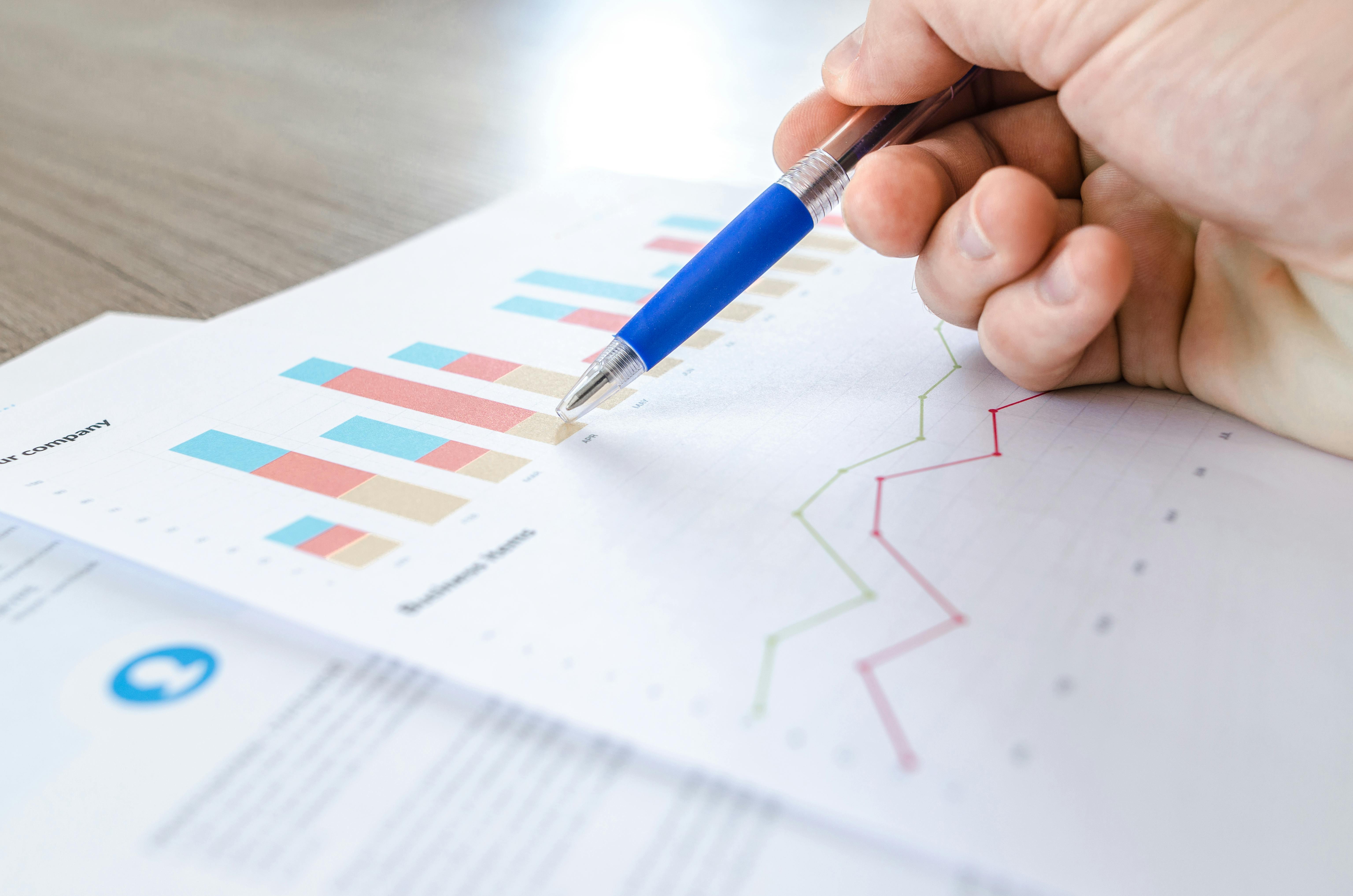
When 60% of searches yield zero clicks, traditional CTR becomes an incomplete metric. Broaden your analytics perspective.
- Track Impressions and Visibility: Use Google Search Console to monitor how often your pages appear in search results (for any position, including SERP features). Growing impressions indicate increasing visibility in the zero-click landscape.
- Monitor Brand Search Volume: A key benefit of zero-click visibility is brand lift. Track if your brand name searches increase after you secure featured snippets or other SERP features for non-branded terms.
- Measure Indirect Conversions: Users might see your brand in a snippet, remember it, and later search for your brand name directly to visit your site. Use assisted conversion and brand path reports in analytics.
Future-Proofing Your Strategy: The Role of AI and Voice Search
The trend toward zero-click searches is accelerating with advancements in AI, like Google's Search Generative Experience (SGE), and the rise of voice search via assistants like Google Assistant and Siri.
AI Overviews (SGE): This represents the next evolution of zero-click. Instead of a single featured snippet, SGE generates a comprehensive, AI-written overview at the top of the SERP, synthesizing information from multiple sources. The strategy here shifts even more towards becoming a cited source for these AI answers. This requires unparalleled content depth, authority, and clear expertise (E-E-A-T).
Voice Search: Nearly all voice search results are zero-click, read aloud from a featured snippet or direct answer. Optimize for conversational, long-tail keywords and provide clear, spoken-word-friendly answers to common questions.
FAQ
Are zero-click searches bad for my business?
Not necessarily. While they reduce direct organic clicks in the short term, they offer massive brand exposure and authority-building opportunities. Being the source of a featured snippet positions your brand as an industry leader, which can drive indirect traffic, brand searches, and long-term trust.
Should I try to avoid being in a featured snippet since it might reduce clicks?
Absolutely not. The visibility and authority benefits of winning "Position Zero" far outweigh the potential for a slightly lower click-through rate on that specific query. It's a top-of-funnel brand play that influences the entire customer journey.
How can I get traffic if no one is clicking?
Focus on high-intent queries where users are in a research or commercial investigation mode. For example, "best running shoes for flat feet 2024" is more likely to generate clicks than "what is a marathon." Also, create such compelling, in-depth content that even after seeing a snippet, users feel compelled to click for the full story, data, or unique insights only you provide.
Is SEO dead because of zero-click searches?
SEO is not dead; it has evolved. Technical SEO and traditional ranking factors are still the foundational table stakes. However, modern SEO now must equally focus on SERP feature optimization, entity building, and creating content specifically designed to be the perfect source for Google's answers.
Conclusion: Adapt, Optimize, and Own Your Visibility
The era of the simple blue link is fading. With zero-click searches hitting 60%, the new search landscape demands a sophisticated, multi-front strategy. Success is no longer defined solely by a click but by securing prominent visibility across the entire SERP canvas—in featured snippets, local packs, knowledge panels, and the emerging AI overviews.
The winning strategy is clear: stop fighting the zero-click trend and start leveraging it. Structure your content to be the perfect answer. Build your brand into a recognizable entity. Optimize for the features that intercept user intent. By doing so, you transform your presence from a destination to visit into an authoritative source that Google—and its billions of users—relies on. In the age of instant answers, being the source is the ultimate competitive advantage.