How to Start an AI-Based Dropshipping Business
Starting an AI-based dropshipping business means leveraging artificial intelligence to automate and optimize every step, from product discovery to customer service. This modern approach reduces manual work, minimizes risk, and maximizes profitability. In this guide, you'll learn how to use AI tools for market research, supplier vetting, store creation, marketing, and operations. By integrating AI from the start, you build a smarter, more efficient, and scalable e-commerce venture that can adapt to market trends in real-time.
Why AI is Revolutionizing Dropshipping
Traditional dropshipping is competitive and labor-intensive. AI changes the game by processing vast amounts of data to make predictive, profitable decisions. It can analyze social media trends to predict winning products, automate customer interactions, optimize ad spend, and manage inventory dynamically. An AI-based dropshipping business isn't just about automation; it's about enhanced intelligence. You're equipping your store with a 24/7 analyst that identifies opportunities and solves problems faster than any human could, giving you a significant competitive edge.
Step 1: Niche and Product Research with AI
Forget guessing games. Use AI tools to analyze search trends, social sentiment, and competitor gaps. Platforms like Jasper, Trend Hunter, or specialized e-commerce AI (e.g., Peak.ai for retail) can process data from TikTok, Google Trends, and Amazon to surface high-demand, low-competition products. Look for items with rising search volume, good profit margins, and visual appeal. AI can also assess product viability by predicting seasonality and potential marketing angles, ensuring your first product has a data-backed chance of success.
Key Criteria for AI-Driven Product Selection:
- Profit Margin Potential: AI analyzes supplier costs and suggested retail prices.
- Trend Velocity: Identifies if interest is spiking or sustaining.
- Competitor Saturation: Evaluates the number of established sellers and ad spend.
- Marketing Angle: Suggests content ideas based on successful competitor campaigns.

Step 2: Finding and Vetting Reliable Suppliers
AI streamlines supplier discovery. Tools can scan platforms like AliExpress, SaleHoo, or Spocket, automatically rating suppliers based on metrics like shipping times, review scores, and communication response rates. Some AI agents can even initiate contact and negotiate basic terms. The goal is to partner with suppliers who offer consistent quality and reliable fulfillment. Always order samples, but let AI handle the initial heavy lifting of sorting through thousands of potential partners to create a shortlist of the top 5-10.
Step 3: Building Your AI-Optimized Store
Your storefront must convert. Use AI-powered website builders like Durable or 10Web to generate a tailored site in minutes. For Shopify stores, integrate AI apps for product description generation, personalized UI/UX, and dynamic pricing. Implement an AI chatbot from day one (e.g., Zendesk Answer Bot, Gorgias) to handle pre-sale questions. Ensure your site is fast, mobile-responsive, and uses AI-driven recommendation engines to increase average order value.
Essential AI Integrations for Your Store:
- Chatbots & Virtual Assistants: For 24/7 customer support and lead qualification.
- Dynamic Pricing Tools: Adjust prices based on demand, competition, and inventory.
- Personalization Engines: Show unique product recommendations to each visitor.
- SEO Optimization Tools: AI like MarketMuse or Frase to optimize content for search intent.
Step 4: AI-Powered Marketing and Customer Acquisition
This is where AI shines. Use it to create targeted ad campaigns, generate marketing copy, and produce visual content. Tools like AdCreative.ai generate high-converting ad visuals and copy. Phrasee optimizes email subject lines. For social media, Predis.ai can craft entire post schedules. Most importantly, use AI for ad buying on Meta and Google. Their built-in AI systems (like Advantage+ shopping campaigns) perform best when fed with clear data—set your goals, budget, and audience broadly, and let the algorithm find the optimal customers.

Step 5: Automating Operations and Scaling
As orders flow in, AI ensures smooth operations. Implement tools for automated order processing that sync directly with suppliers. Use AI for inventory forecasting to prevent stockouts of bestsellers. AI-driven logistics platforms can find the fastest and cheapest shipping routes. For customer service, AI chatbots can resolve up to 80% of routine inquiries, escalating only complex issues. This automation frees you to focus on strategy, partnerships, and scaling into new markets or product lines based on AI-generated insights.
Common Pitfalls and How AI Helps Avoid Them
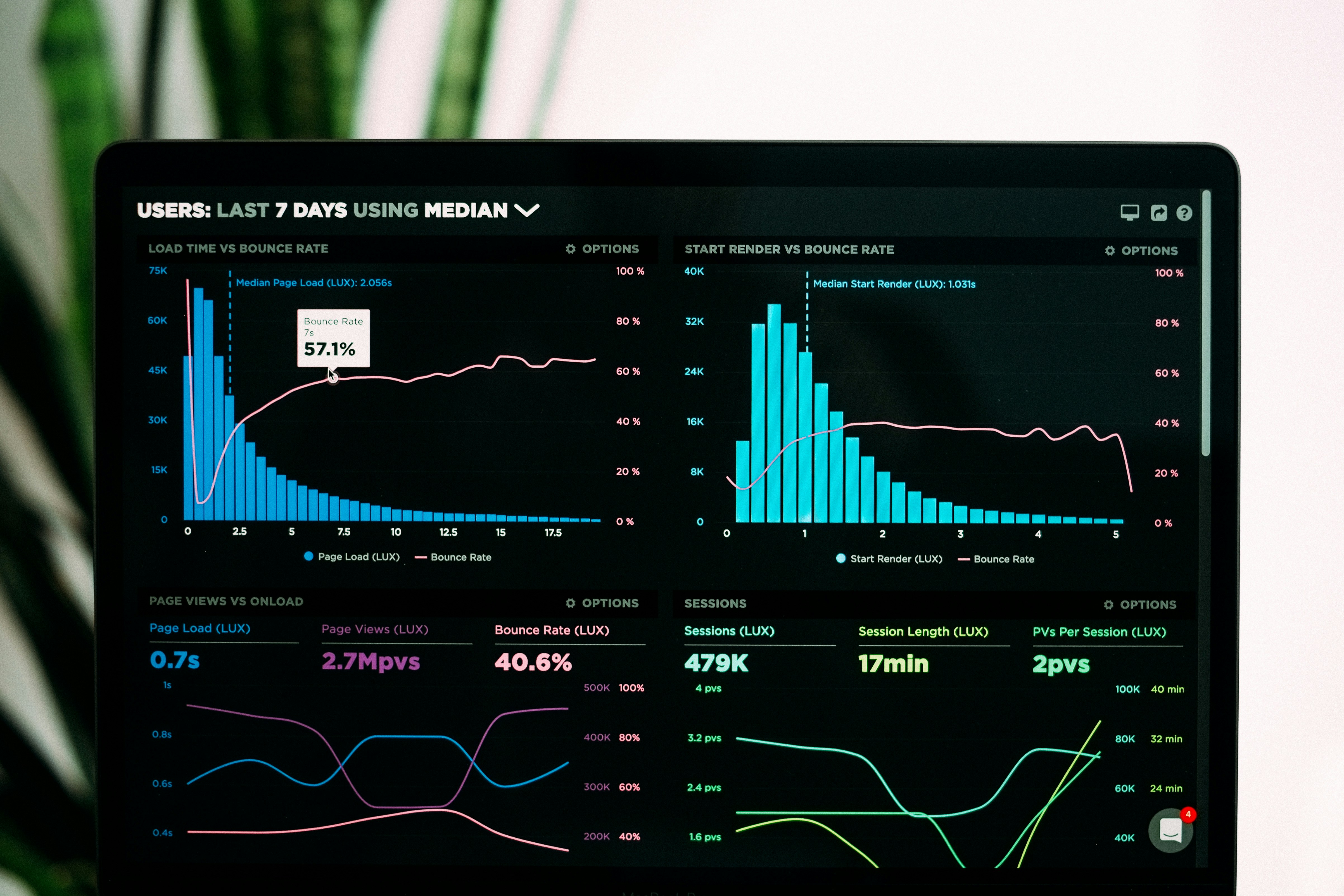
New dropshippers often fail due to poor product choice, bad suppliers, or thin margins. AI acts as a risk mitigation layer. It can flag products with historically high return rates or identify suppliers with deteriorating performance metrics. Use sentiment analysis on customer reviews of similar products to uncover potential issues before you even list an item. Continuously monitor your store's health with AI dashboards that highlight key performance indicators (KPIs) and alert you to negative trends in real time.
FAQ
Do I need technical skills to start an AI-based dropshipping business?
No. Most modern AI tools are no-code or low-code, featuring user-friendly dashboards and integrations with platforms like Shopify. The skill lies in interpreting the data and making strategic decisions, not in coding the AI itself.
How much capital is required to start?
You can start with a modest budget ($500-$2000). Costs include domain/hosting, subscription fees for AI tools and e-commerce platforms, initial sample orders, and a starter ad budget. AI helps you allocate this capital more efficiently from the beginning.
Is AI dropshipping legal and ethical?
Yes, provided you follow standard e-commerce laws (consumer rights, data privacy like GDPR, and tax regulations). Ethically, be transparent about using AI for content creation if required, and always ensure the AI is used to enhance, not deceive, the customer experience.
Can AI completely run the business without me?
Not entirely. While AI can automate up to 90% of operational tasks, human oversight is crucial for strategy, handling complex customer issues, building brand identity, and making high-level financial decisions. Think of AI as your ultra-efficient team, not a total replacement.
Conclusion: The Future of E-commerce is Intelligent
Starting an AI-based dropshipping business is the most pragmatic way to launch an e-commerce venture today. It systematically de-risks the process and builds efficiency into your foundation. By leveraging AI for research, automation, and optimization, you're not just keeping up with trends—you're operating at the forefront of retail technology. Begin by mastering one or two AI tools, gradually integrating more as you scale. The fusion of human creativity with artificial intelligence creates a formidable business model poised for sustainable growth in the dynamic world of online retail.