How to Find Winning Dropshipping Products Using AI in 2026
Finding a profitable, winning product is the single biggest challenge in dropshipping. In 2026, manual guesswork is obsolete. The definitive method to find winning dropshipping products is by leveraging Artificial Intelligence (AI) to analyze vast datasets, predict trends, and uncover hidden opportunities. This guide provides a clear, step-by-step framework for using AI tools to identify high-potential products, validate demand, and build a sustainable business by making data-driven decisions, not hunches.

The Evolution of Product Research: From Manual to AI-Powered
Just a few years ago, product research involved endless scrolling through AliExpress, using basic Google Trends, and relying on intuition. This process was time-consuming, biased, and often led to selling saturated products. The 2026 landscape is defined by predictive AI. These systems don't just show you what's trending now; they analyze social sentiment, search patterns, competitor performance, and global supply chain data to forecast what will be in demand weeks or months from now. This shift transforms product research from a reactive scavenger hunt into a proactive strategic process.
Core AI Capabilities for Dropshipping Success
To effectively use AI, you must understand its core functions in the context of e-commerce.
1. Predictive Trend Analysis
AI algorithms scour millions of data points from platforms like TikTok, Instagram Reels, Pinterest, and Google Search. They don't just count views; they analyze engagement velocity, comment sentiment, and creator authority to identify products with breakout potential before they hit mainstream awareness.
2. Competitor and Market Gap Analysis
Advanced AI tools can anonymously crawl competitor stores, analyzing their best-selling products, ad strategies, pricing models, and customer reviews. More importantly, they can identify "gaps"—products with high demand but low satisfaction, or niches where competitors are underperforming, giving you a clear entry point.
3. Profitability and Viability Scoring
Beyond just finding a trending item, AI in 2026 evaluates product viability. It estimates average shipping times from various suppliers, calculates realistic profit margins after ads and fees, and even assesses logistical complexity (e.g., size, weight, fragility) to flag potential operational headaches before you commit.

The 2026 AI-Powered Product Research Workflow
Follow this structured, four-phase workflow to systematically identify and validate winning products.
Phase 1: Ideation with AI Discovery Tools
Start broad. Use AI-powered discovery platforms (like TikTok's own Creative Center, or third-party tools like Predis.ai or Trend Hunter's AI). Input broad niches or interests (e.g., "sustainable home," "biohacking gadgets"). The AI will return clusters of related products, content, and hashtags. Look for signals of exponential growth in engagement, not just high total numbers.
Phase 2: Validation with Multi-Source Data Cross-Checking
Never rely on one source. Take potential products from Phase 1 and run them through a validation stack:
- Search Demand AI: Use tools like SEMrush's Topic Research or AnswerThePublic to see question volume and related search terms.
- Social Sentiment Analysis: Use Brandwatch or BuzzSumo to analyze if mentions are positive and driven by genuine users versus paid influencers.
- Supplier Data AI: Platforms like AutoDS or Dropship.io integrate with supplier APIs to show real-time order volume trends across thousands of stores.
Phase 3: Competition and Differentiation Analysis
Here, AI shifts from discovery to strategy. Input your validated product into a tool like Minea or Dropship Spy. The AI should provide:
- A list of active advertisers and their ad spend estimates.
- An analysis of their ad creatives and angles.
- A breakdown of their pricing and offer structure.
Your goal is to find a differentiating angle—a better bundle, a stronger branding story, or a neglected customer segment—that the AI highlights as an opportunity.
Phase 4: Final Viability Audit
Before sourcing, conduct a final AI audit. Use supplier-side AI (available on platforms like Spocket or Syncee) to check:
- Predicted shipping reliability for the item.
- Historical price fluctuations.
- Quality scores based on aggregated store reviews.
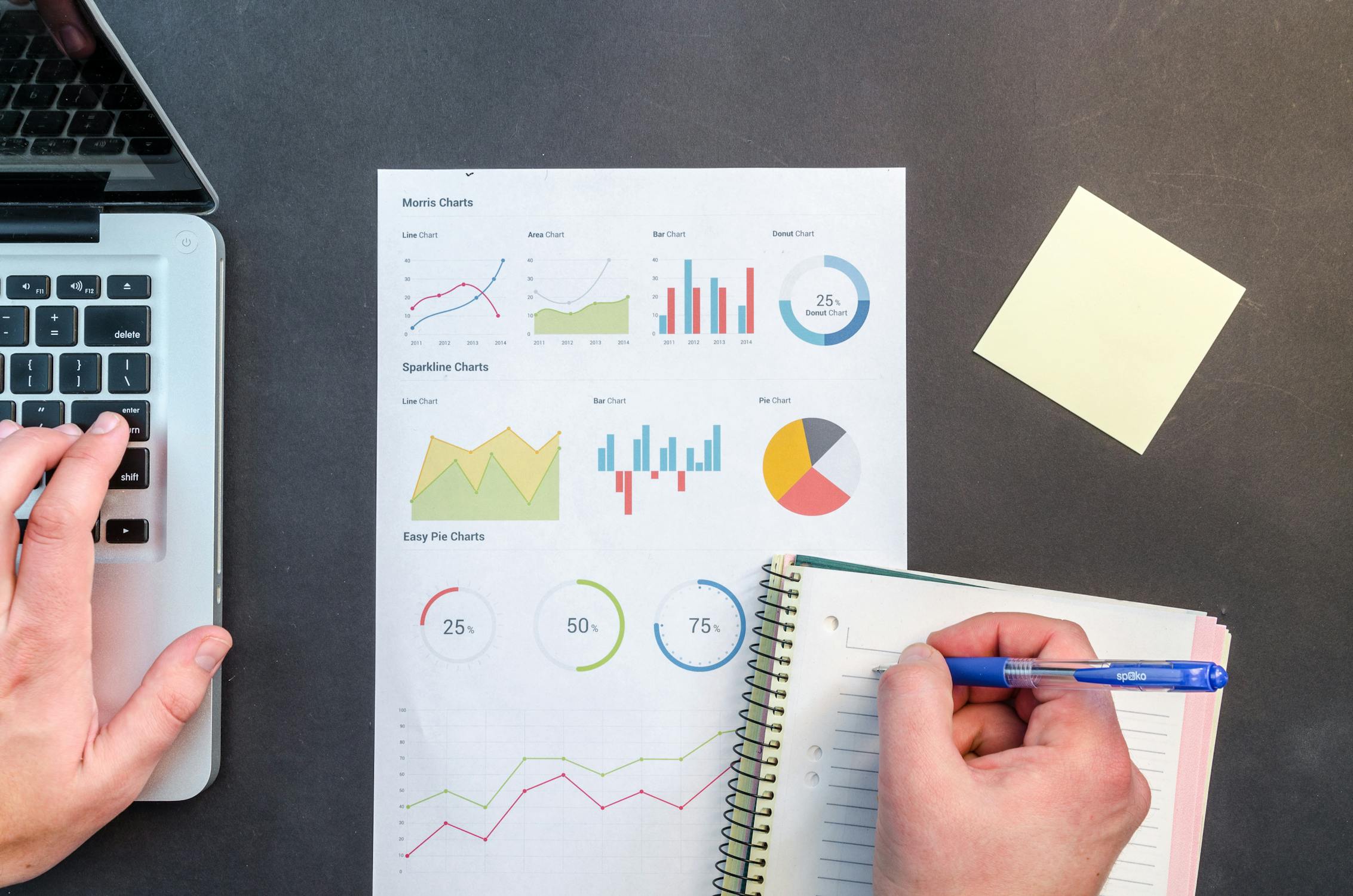
Top Categories of AI Tools for 2026 Dropshippers
The tool ecosystem is specialized. Build your tech stack accordingly.
All-in-One Dropshipping AI Suites
Platforms like Dropship.io and Peaksta are evolving into central command centers. They combine trend discovery, competitor spying, supplier matching, and store integration in one dashboard, using a unified AI model.
Social & Viral Trend Predictors
Tools like TrendTok or Influencer Analytics AI focus exclusively on short-form video. They can pinpoint the exact moment a product starts going viral by tracking sound usage, video format replication, and creator tier movement.
SEO and Search Intent AI
Clearscope or Frase.io-style tools are crucial for validating commercial intent. They help you understand if people searching for a product are in "research mode" or "buying mode," and what related products they also consider, revealing upsell opportunities.
Creative and Ad AI
Once you have a product, tools like Pictory (for video ad creation) and Copy.ai (for ad copy) use AI to generate and A/B test creatives based on proven angles in your niche, drastically reducing testing time.
Ethical Considerations and Avoiding AI Pitfalls
AI is a powerful ally, but blind reliance is dangerous.
- Bias Awareness: AI models are trained on historical data, which can contain biases. A trending product might be culturally insensitive or have limited appeal outside a specific region. Apply human judgment.
- Over-Saturation Alerts: If an AI tool easily finds a "winning product," so can your competitors. Use AI to measure competition density and ad saturation before entering.
- Data Privacy Compliance: Ensure the tools you use comply with global data regulations (GDPR, CCPA). Your research shouldn't violate terms of service of social platforms or compromise user privacy.
FAQ
Do I still need human judgment if I'm using AI?
Absolutely. AI provides the data and probabilities; you provide the strategy, creativity, and ethical oversight. AI might identify a trending product, but your human insight is needed to craft a compelling brand story and customer experience around it.
What's the biggest mistake beginners make with AI product research?
The biggest mistake is treating AI as a magic "winning product button" and skipping the validation phases. They jump on the first product an AI suggests without cross-checking demand, competition, or logistical viability, leading to failure.
Are these AI tools expensive for a new dropshipper?
The cost spectrum is wide. Many tools offer limited free tiers or affordable starter plans ($20-$50/month). In 2026, the ROI from avoiding just one bad product test easily justifies the cost. Start with one core discovery tool and expand your stack as you scale.
Can AI help with product sourcing and supplier negotiation?
Yes. Next-gen AI sourcing platforms not only list suppliers but also rate them on reliability, communication speed, and packaging quality using aggregated data. Some even offer AI-powered negotiation bots that can secure better prices based on order volume forecasts.
Conclusion: The Future is Predictive, Not Reactive
Mastering how to find winning dropshipping products using AI in 2026 is no longer a competitive edge—it's a fundamental requirement. The process has matured from simple filtering to sophisticated predictive analytics. By building a workflow that leverages AI for ideation, validation, competition analysis, and viability auditing, you systematically de-risk your business. Remember, the goal is not to let the AI choose for you, but to empower your decisions with unparalleled data intelligence. The future of e-commerce belongs to those who can anticipate demand, not just chase it. Start integrating these AI strategies today to build a more resilient and profitable dropshipping business for tomorrow.
