How AI Is Transforming Journalism in 2026
In 2026, artificial intelligence is no longer a futuristic concept in newsrooms; it's the core engine driving a fundamental transformation of journalism. AI is augmenting reporters, automating routine tasks, and enabling hyper-personalized news delivery at scale. This shift is creating a new paradigm where human journalists focus on deep analysis, investigative work, and storytelling, while AI handles data crunching, initial drafting, and audience insight. This guide explores the practical, ethical, and creative ways AI is transforming journalism, detailing the tools, workflows, and new skills defining the modern media landscape.
Augmented Reporting: The AI Co-Pilot
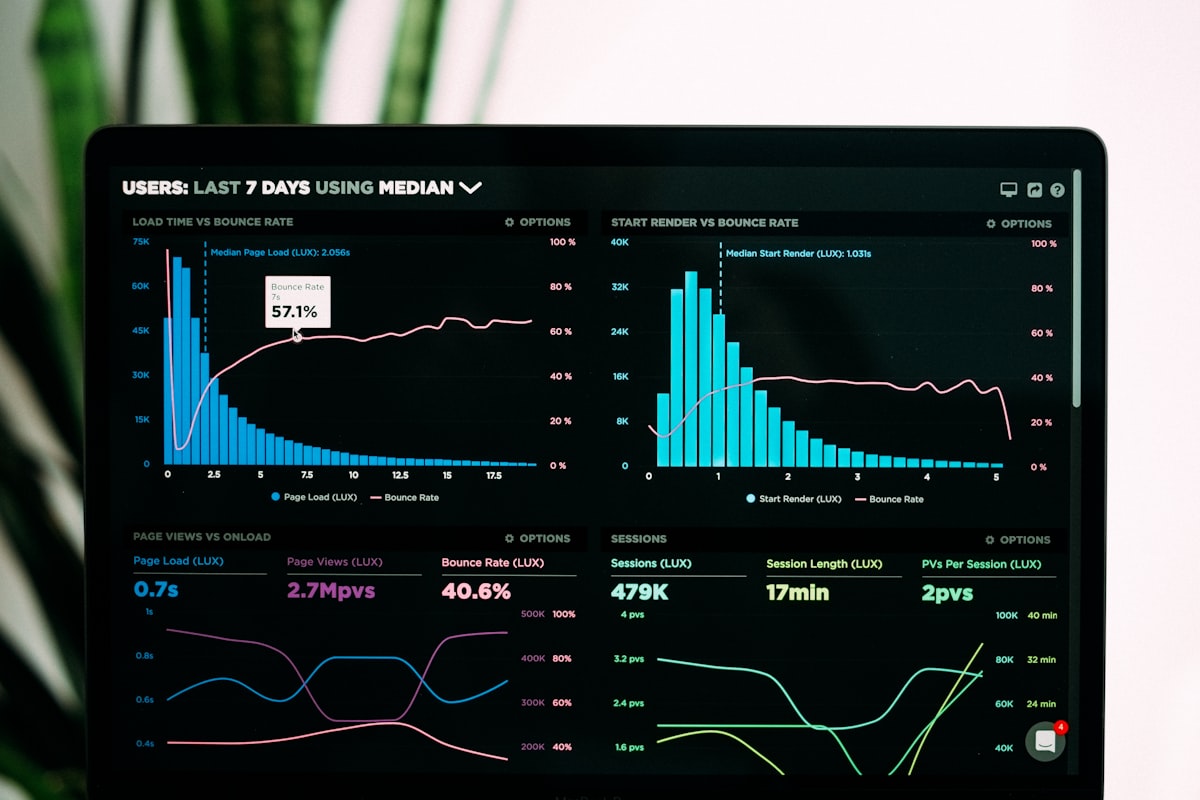
The most significant change in 2026 is the rise of the "AI co-pilot" for reporters. Advanced natural language processing (NLP) tools assist journalists in every phase of reporting. At the research stage, AI can swiftly analyze thousands of documents, legal filings, or financial reports, highlighting anomalies, trends, and connections a human might miss. During interviews, real-time transcription and sentiment analysis provide instant searchable notes and flag key emotional moments. For complex data sets, AI generates clear visualizations and suggests narrative angles, allowing the journalist to focus on crafting the story's human element and verifying context.
Key Tools in the Augmented Newsroom
- Research Assistants: AI that combs public databases and archives for relevant precedents or historical context.
- Intelligent Transcription: Tools that not only transcribe but also identify speakers and tag key quotes.
- Data Narrative Generators: Systems that propose story leads based on statistical patterns in data.
Automated Content and Hyperlocal News
Automated journalism, once limited to financial and sports reports, has matured dramatically. In 2026, AI writing tools generate first drafts for routine news like earnings summaries, local sports recaps, and weather-event updates. This frees journalists for more complex work. The most profound impact is in hyperlocal news coverage. AI systems can monitor local government feeds, police blotters, and school board meetings, automatically generating briefs on events that would otherwise go unreported due to resource constraints. This helps revive community-level journalism, though these drafts always undergo human review for nuance and accuracy before publication.

AI-Powered Fact-Checking and Verification
Combating misinformation is a central battlefield, and AI has become journalism's most powerful ally. Real-time fact-checking systems now integrate directly into content management systems. As a journalist writes, the tool can cross-reference claims against trusted databases, flagging potential inaccuracies. For user-generated content and viral social media claims, AI performs reverse image searches, analyzes video metadata for signs of manipulation, and tracks the origin of quotes. This automated verification process significantly speeds up the debunking of false narratives, allowing news organizations to respond with authority and speed.
Hyper-Personalized News Experiences
The monolithic "front page" is increasingly a thing of the past. AI-driven personalization engines curate unique news feeds for each reader based on their reading history, location, and stated interests. However, 2026's ethical models are designed to avoid harmful filter bubbles. They intentionally introduce "contextual diversity"—showing users balanced perspectives on major issues while personalizing less contentious topics. News apps also use AI to dynamically adjust article complexity or provide background explainers based on a user's familiarity with the subject, making complex journalism more accessible to a broader audience.
AI in Multimedia and Immersive Storytelling
AI is breaking down technical barriers to rich storytelling. Journalists can now describe a data concept, and an AI tool produces an interactive chart or animated graphic. For audio and video, AI assists with editing, generating clean transcripts for podcasts, and even creating realistic voiceovers in multiple languages for global reach. In investigative journalism, AI can reconstruct events from disparate pieces of evidence or simulate scenarios for explanatory pieces. This empowers smaller newsrooms to produce visually compelling and immersive stories that once required large production teams.

The Evolving Role of the Human Journalist
Far from replacing journalists, AI in 2026 has redefined the profession. The core skills now emphasize critical thinking, ethical judgment, and deep-domain expertise. Journalists act as conductors and editors of AI-generated material, applying skepticism, cultural understanding, and emotional intelligence. Investigative reporting, narrative writing, live analysis during breaking news, and holding powerful institutions accountable remain distinctly human endeavors. The new journalist is tech-savvy, understands the limitations of AI, and leverages these tools to amplify their impact, focusing on the "why" and "so what" that algorithms cannot grasp.
Ethical Challenges and Editorial Integrity
This transformation brings profound ethical questions. Newsrooms have established strict protocols for AI use: transparency about when AI is used in content creation, rigorous bias testing of algorithms, and maintaining human editorial control over all published content. The risks of AI hallucination (generating plausible falsehoods), embedded bias from training data, and the over-reliance on automated sentiment are actively managed. The editorial integrity of a publication in 2026 is judged not by its avoidance of AI, but by the strength of its human oversight and its commitment to correcting errors introduced by any tool, human or machine.
FAQ
Are AI tools writing full news articles without human input in 2026?
For routine, data-heavy reports (e.g., sports scores, financial earnings), AI often generates first drafts. However, virtually all published articles, especially those involving analysis, opinion, or sensitive topics, undergo significant human editing, fact-checking, and final approval. Full automation without a "human in the loop" is considered an ethical breach in reputable journalism.
How does AI help fight misinformation?
AI tools assist journalists by rapidly analyzing viral claims, verifying images and videos through metadata and reverse search, and cross-referencing statements against vast databases of factual information. This accelerates the fact-checking process, allowing newsrooms to debunk false narratives more quickly and effectively.
Will AI personalization create more extreme filter bubbles?
Ethical news platforms in 2026 are designed to combat this. Their AI personalization algorithms are programmed to include "serendipity" and diverse viewpoints on important civic issues, ensuring users are exposed to a balanced perspective while personalizing preferences for topics like hobbies or local events.
What skills do aspiring journalists need in the AI era?
Critical thinking, data literacy, and ethical reasoning are paramount. Technical skills include understanding how to query and interpret AI tools, while traditional skills like interviewing, investigative tenacity, clear writing, and storytelling are more valuable than ever. The modern journalist is a tech-augmented storyteller.
Conclusion
The transformation of journalism by AI in 2026 is a story of augmentation, not replacement. The synergy between human intuition, ethical judgment, and creative storytelling with AI's speed, scale, and analytical power is creating a more robust, efficient, and accessible fourth estate. While challenges around bias, transparency, and job evolution persist, the core mission of journalism—to seek truth and inform the public—remains unchanged. The successful newsrooms of this era are those that harness AI as a powerful tool to enhance that mission, empowering journalists to do their most meaningful work while holding algorithms to the highest standards of accountability. The future of journalism is a collaborative intelligence, human and artificial, working in tandem.