How AI Is Changing the Advertising Industry in 2026
In 2026, artificial intelligence is no longer a futuristic concept in advertising; it is the core engine driving every successful campaign. AI is fundamentally changing the advertising industry by enabling hyper-personalized consumer experiences, predictive campaign optimization, and automated creative generation at an unprecedented scale. This shift moves the focus from broad demographic targeting to understanding individual intent and context in real-time. For brands and marketers, leveraging AI is no longer optional—it's essential for achieving relevance, efficiency, and measurable ROI in a fragmented digital landscape.
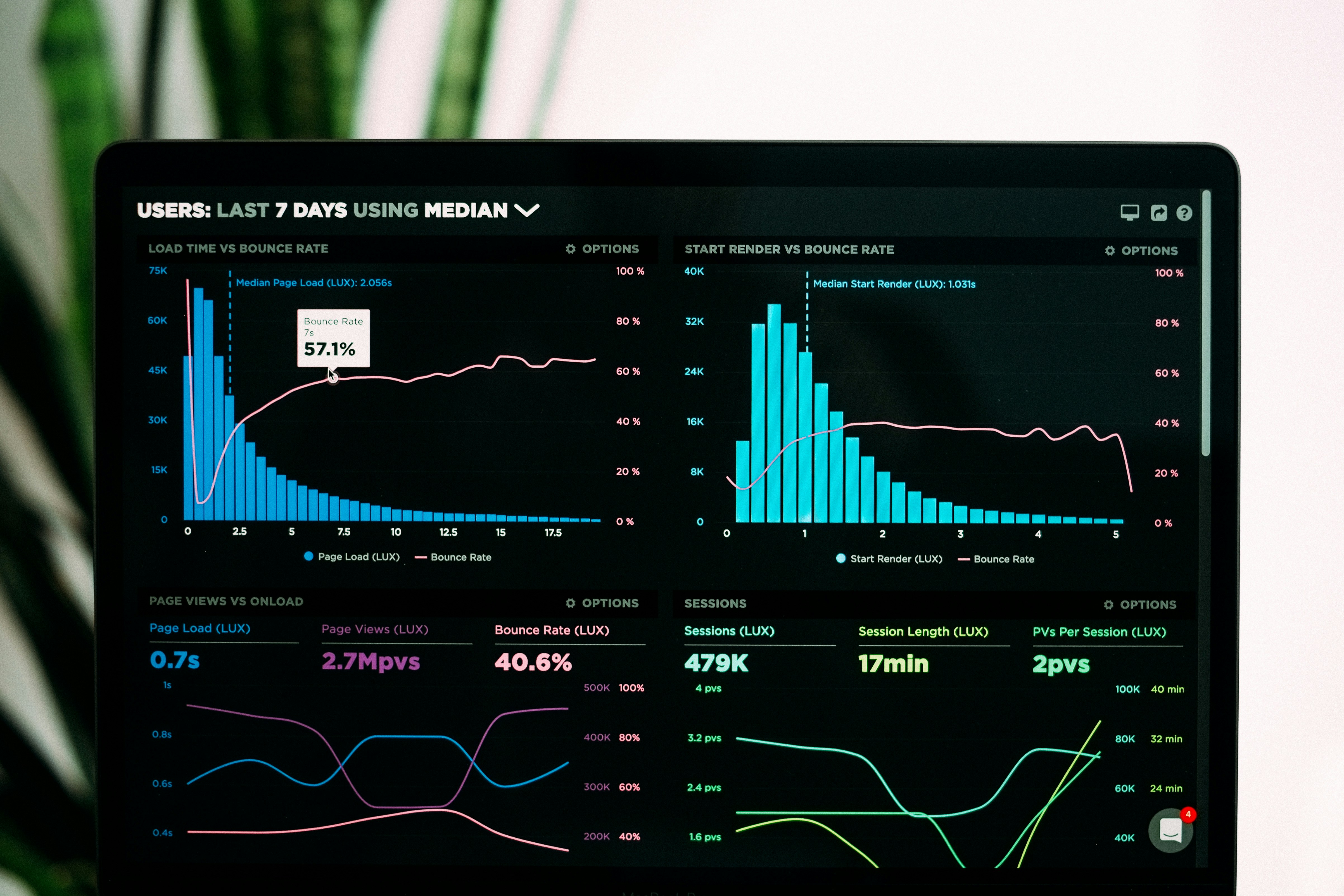
The Era of Hyper-Personalization and Predictive Intent
Gone are the days of simple demographic targeting. In 2026, AI algorithms analyze vast, consented datasets—from browsing behavior and purchase history to real-time contextual signals—to build dynamic "interest graphs" for each user. This allows for predictive behavioral targeting that anticipates a consumer's needs before they explicitly search. For instance, an AI might identify a user researching hiking gear and serve them not just with backpack ads, but with targeted content for weather-appropriate apparel and trail recommendations, creating a seamless, helpful journey rather than a disruptive sales pitch.
Beyond Cookies: Contextual and Privacy-First AI
With the deprecation of third-party cookies, AI has evolved to excel in privacy-first personalization. Advanced natural language processing (NLP) understands page content and video context with nuance, placing ads in genuinely relevant environments. AI also leverages first-party data more intelligently, using techniques like federated learning to build models without compromising individual privacy. This ensures advertising remains effective while respecting user consent and data regulations.
AI-Powered Creative Automation and Dynamic Content
Creative development, once a bottleneck, is now accelerated and scaled by AI. Generative AI tools are sophisticated partners in the creative process, producing thousands of ad variations—different headlines, visuals, CTAs, and formats—tailored for specific audience segments. This dynamic creative optimization (DCO) happens in real-time, testing and learning which combinations drive the highest engagement. A single campaign can automatically morph to show a product in use during rainy weather to one user, while highlighting its sunny-day features to another, all based on real-time data feeds.

Intelligent Media Buying and Omnichannel Optimization
AI's impact on media planning and buying is profound. Autonomous AI platforms now manage cross-channel budgets, continuously shifting spend to the highest-performing channels and moments. These systems don't just execute buys; they predict channel performance and identify emerging opportunities, like a trending audio platform or a new in-game advertising format. This results in truly omnichannel advertising strategies where a user's journey from social media to connected TV to retail is orchestrated as a single, coherent conversation by the AI, maximizing reach and frequency without wasteful overlap.
Advanced Measurement and Attribution
Determining the true impact of an ad is clearer than ever. AI-driven attribution models use causal inference techniques to move beyond last-click attribution, accurately quantifying the influence of each touchpoint across a complex customer journey. Furthermore, AI predicts long-term value and brand lift by analyzing sentiment, engagement quality, and secondary actions. This transforms advertising analytics from a rear-view mirror report into a forward-looking strategic tool, allowing marketers to optimize not just for immediate conversions, but for lifetime customer value and brand health.

Ethical Considerations and the Human-AI Partnership
The rise of AI in advertising brings critical ethical questions. Issues of algorithmic bias, data transparency, and the potential for hyper-manipulative messaging are at the forefront. In 2026, leading brands differentiate themselves by implementing ethical AI frameworks—auditing algorithms for fairness, ensuring clear consumer value exchange for data, and maintaining human oversight. The winning formula is a human-AI collaboration: strategists and creatives set the vision, brand purpose, and ethical guardrails, while AI handles execution, optimization, and insight generation at scale. The human role shifts from manual executor to strategic conductor and ethical steward.
FAQ
Is AI replacing jobs in the advertising industry?
AI is primarily augmenting jobs, not replacing them. It automates repetitive tasks like data analysis, A/B testing, and basic ad trafficking, freeing up human talent for higher-level strategy, creative ideation, relationship building, and ethical oversight. The demand for professionals who can interpret AI insights and guide its application has skyrocketed.
How does AI handle advertising creativity? Isn't that a human skill?
AI is a powerful creative assistant. It can generate ideas, produce variations, and optimize based on performance data, but it lacks true human emotion, cultural nuance, and strategic brand vision. The most effective creative work in 2026 comes from humans using AI as a tool to explore more concepts faster and validate what resonates, ultimately making human creativity more impactful.
What are the biggest risks of using AI in advertising?
Key risks include over-reliance on algorithms leading to brand-safety issues or "creepy" personalization, embedded biases in training data that skew targeting, and a lack of transparency in how decisions are made. Mitigating these requires robust governance, diverse data sets, and maintaining human control over brand voice and strategy.
How can a small business start using AI for advertising?
Small businesses can leverage AI through integrated platforms (like Meta's Advantage+ or Google's Performance Max campaigns) that use AI for automated bidding and targeting. Affordable third-party tools also exist for generating ad copy, creating basic visuals, and performing sentiment analysis on social media, making AI-powered advertising accessible.

Conclusion
By 2026, AI has irrevocably transformed the advertising landscape from a guessing game into a precise, predictive, and personalized science. It empowers brands to deliver unprecedented value to consumers through relevant messaging while achieving unparalleled operational efficiency. However, this power comes with the responsibility to use AI ethically and transparently. The future belongs not to those who use AI alone, but to those who master the synergy of human creativity, strategic empathy, and artificial intelligence. Embracing this partnership is the definitive path to building lasting consumer relationships and driving sustainable growth in the modern era.