Dropshipping Product Research Methods That Work in 2026
Finding a winning product is the single most critical step for a successful dropshipping business. In 2026, the landscape has evolved beyond simple guesswork or browsing AliExpress. Effective dropshipping product research now requires a blend of AI-powered data analysis, deep understanding of consumer psychology, and robust validation frameworks. This guide will walk you through the modern, actionable methods that separate fleeting fads from sustainable winners, helping you build a resilient and profitable online store.

The 2026 Mindset: From Trend-Chasing to Problem-Solving
The core of successful product research has shifted. Instead of asking "What's trending?", the pivotal question in 2026 is "What problem does this solve, and for whom?" Winning products typically address a specific pain point, fulfill an emotional desire, or significantly improve an aspect of daily life. This problem-solver mindset naturally leads to better marketing angles, stronger customer loyalty, and products with longer lifecycles. Your research should focus on identifying these underserved niches and validating demand with concrete data.
Method 1: Leveraging AI-Powered Research Platforms
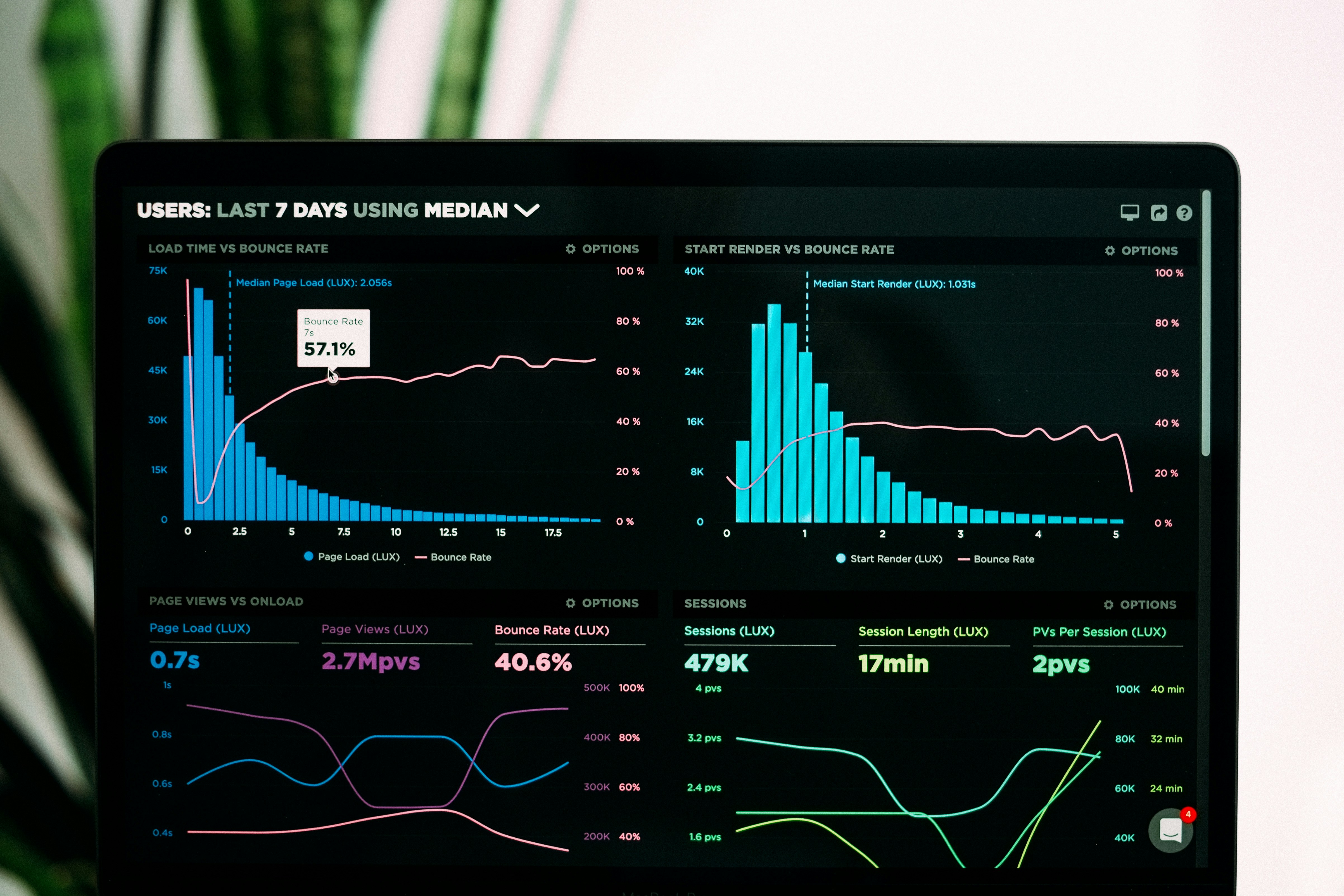
AI has moved from a novelty to the backbone of efficient research. Modern platforms don't just list products; they analyze millions of data points to predict viability.
- Predictive Analytics Tools: These tools use machine learning to forecast demand surges, seasonal trends, and potential market saturation before you invest. They analyze search volume, social sentiment, and competitor performance.
- Cross-Platform Aggregators: The best tools aggregate data from TikTok, Instagram Reels, Pinterest, Amazon, and niche forums into a single dashboard, showing you where a product is gaining genuine traction versus being overhyped by influencers.
- Supplier Intelligence: Advanced platforms now rate suppliers on reliability, shipping times, and communication, integrating this crucial data directly into the product research phase.
Method 2: Social Listening on Emerging Platforms
While TikTok and Instagram remain vital, the frontier of trend discovery in 2026 lies in emerging and niche social platforms. The key is social listening—observing authentic user behavior, not just sponsored content.
- Micro-Community Deep Dives: Explore platforms like Discord servers, Reddit communities (beyond r/Entrepreneur), and niche forums. Look for recurring complaints, "wish list" posts, and DIY solutions people are creating to solve problems.
- Visual Search on Next-Gen Platforms: Use the visual search features on platforms like Pinterest and newer, interest-based apps. See what users are actively saving and collecting into their idea boards for hobbies, home improvement, or lifestyle aspirations.
- Analyzing Comment Sections Authentically: Go beyond the top comments. Look for questions like "Where can I buy this?" or "Does anyone know a better version of this?" These are direct signals of commercial intent.
Method 3: The Reverse Engineering & Gap Analysis Method
This method involves studying successful stores and products to identify gaps you can exploit.
- Identify Profitable Stores: Use tools to find stores with strong traffic and engagement. Don't just look at the product; analyze their entire customer journey.
- Analyze Customer Reviews: This is a goldmine. Read 3-star reviews on Amazon or competitor sites. What are the consistent complaints? (e.g., "Love the idea, but it broke quickly," "Wish it had a battery indicator"). Your winning product can be the solution to these stated flaws.
- Spot the Gap: Can you source a more durable version? Can you bundle the main product with the accessory everyone says they need? This method de-risks your research by validating demand and clarifying a unique selling proposition (USP) from day one.
Key Validation Metrics for 2026
Before committing to a product, validate it against these metrics:
- Sustainable Engagement Rate: Look for steady, organic engagement over a spike-and-crash pattern.
- Profit Margin After *All* Costs: Factor in advertising, returns, transaction fees, and potential tariffs. Aim for margins that allow for scaling.
- Shipping & Fulfillment Feasibility: Can it be shipped reliably and relatively quickly from your supplier's location to your target market?
- Content "Hookup" Potential: Can you easily create engaging video, image, and story content around this product for ads and social media?

Method 4: Utilizing Niche-Specific Data Sources
Broad marketplaces are competitive. In 2026, winners are found in specialized data.
- Google Trends with Advanced Filters: Use regional filters and related queries to discover rising interest in specific areas before it goes global.
- Etsy & Handmade Marketplaces: These are idea incubators. A trending handmade item often signals a market desire that can be scaled through dropshipping with a manufactured version.
- Trade Publications & Industry Reports: For specialized niches (e.g., sustainable living, pet tech), subscribe to relevant trade news. They often highlight emerging consumer needs long before they hit mainstream social media.
Building Your 2026 Product Research Workflow
Combine these methods into a repeatable system:
- Idea Sourcing: Use AI tools and social listening to generate a broad list of 50-100 potential products.
- Initial Filter: Apply basic filters (margin potential, shipping, content potential) to narrow down to 10-15 candidates.
- Deep-Dive Validation: Conduct competitor analysis, review mining, and demand forecasting on the shortlist.
- Final Verification: Source 2-3 potential suppliers, request samples, and test the product yourself. Create a mockup ad to gauge initial audience reaction.

FAQ
Is dropshipping still profitable in 2026?
Yes, but the barrier to entry is higher. Profitability now depends almost entirely on sophisticated product research, niche selection, and brand-building, not just finding a random trending item. Low-quality, generic products are no longer viable.
What is the biggest mistake in product research?
The biggest mistake is choosing a product based solely on personal interest or a single viral video without validating commercial intent, competition, and logistical feasibility. Emotional attachment to an idea often overrides critical data analysis.
How much should I budget for product research tools?
In 2026, consider tool costs a necessary operational expense. A basic setup with one AI-powered research platform and a social listening tool can start from $50-$150 per month. View this as an investment to prevent costly mistakes on poor product choices.
How long should product research take?
A thorough research cycle for a single, validated product can take 2-4 weeks. Rushing this process is the fastest way to fail. It's more efficient to spend a month finding a true winner than to launch three poor products in the same timeframe.
Conclusion: The Future is Strategic Research
The era of accidental viral dropshipping wins is over. In 2026, success is engineered through disciplined, data-informed product research methods. By adopting a problem-solver mindset, leveraging AI and deep social listening, and rigorously validating every assumption, you position yourself not as a mere reseller, but as a savvy market operator. The winning product is out there, but it's no longer found by scrolling—it's discovered through a systematic process that separates signal from noise. Commit to the process, and you build the foundation for a durable business, not just a fleeting store.