The Best AI Tools for Data Analysis in 2026
In 2026, data analysis is no longer a manual, code-heavy chore but an intuitive conversation with AI. The best AI tools for data analysis automate the entire workflow—from cleaning and visualization to predictive modeling and natural language reporting. This guide cuts through the noise to review the top platforms that empower analysts, data scientists, and business users to extract actionable insights faster than ever. We'll explore tools excelling in automated machine learning, augmented analytics, and real-time business intelligence.
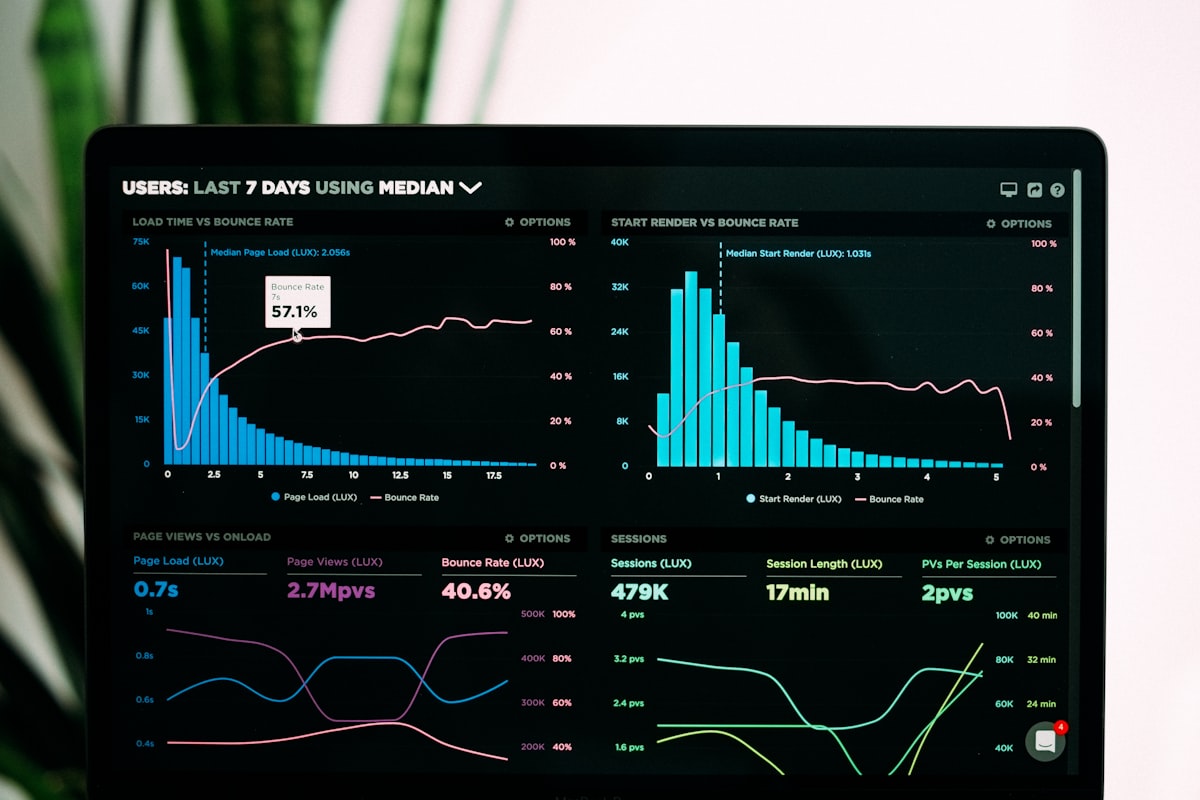
The Evolution of Data Analysis in 2026
The landscape of data analytics has undergone a radical shift. The focus has moved from simply building models to achieving **augmented intelligence**, where AI co-pilots the entire analytical process. Key advancements include **conversational analytics**, where you query your dataset in plain English, and **automated feature engineering**, where the AI identifies the most predictive data patterns autonomously. Furthermore, **predictive analytics** and **prescriptive insights** are now standard outputs, telling you not just what will happen, but what you should do about it. This evolution makes advanced **data science** accessible to a broader range of professionals.
How We Selected These AI Data Analysis Tools
Our evaluation for the best AI data analysis tools is based on 2026's demanding standards. We prioritized platforms that demonstrate excellence in:
- Autonomous Processing: Ability to automate data cleaning, transformation, and insight generation with minimal human input.
- Natural Language Interface: Quality of conversational AI for both querying data and interpreting results.
- Advanced ML Capabilities: Depth of built-in machine learning and predictive modeling features.
- Actionable Visualization: Creation of intelligent, interactive dashboards that explain themselves.
- Integration & Scalability: Ease of connecting to diverse data sources and handling enterprise-scale data.
Top 5 AI Tools for Data Analysis in 2026
1. DataMind Nexus
DataMind Nexus leads in **automated machine learning (AutoML)**. Its core strength is its "AI Analyst" that can take a raw dataset and produce a comprehensive diagnostic report, suggesting optimal models and highlighting key drivers. It's particularly powerful for **predictive analytics** and anomaly detection in time-series data. The platform is a favorite among data scientists for accelerating model development and among business teams for its crystal-clear, narrative-style reports.

2. InsightFlow 9
InsightFlow 9 redefines **conversational analytics**. Its chat interface feels like collaborating with an expert data partner. You can ask iterative, complex questions like "What caused the sales dip in Q3, and which customer segment is most at risk next quarter?" The AI dives into your connected data warehouses, generates SQL or Python code automatically, and presents findings with actionable **business intelligence**. Its ability to understand context and follow-up questions sets a new benchmark.
3. Knoq AI
Knoq AI excels in real-time **data visualization** and storytelling. It goes beyond static charts by creating "smart dashboards" where every visualization includes an AI-generated insight summary. Its **augmented analytics** engine proactively surfaces trends, correlations, and outliers as you work. For teams that rely on fast, visually-driven decision-making, Knoq turns complex datasets into intuitive, interactive narratives without requiring design skills.
4. Pyxis ML Studio
Pyxis ML Studio is the go-to for organizations building custom AI analytics pipelines. It offers a low-code environment for designing sophisticated **data analysis** workflows that integrate computer vision, NLP, and traditional tabular data. Its unique selling point is modular AI "blocks" that can be trained on proprietary data, making it ideal for industries with specialized needs, like healthcare or advanced manufacturing. It bridges the gap between bespoke development and off-the-shelf tools.

5. ClearPoint Augment
ClearPoint Augment focuses on democratization. It integrates seamlessly into common business suites (like spreadsheets and presentation software), offering AI-powered analysis right where people already work. Its "Click-to-Insight" feature allows users to highlight a data range and receive instant statistical summaries, forecasts, and **data-driven recommendations**. It's the most accessible tool for enabling a data-literate culture across all departments.
Key Features Comparison Table
Use this table to quickly compare the core capabilities of the best AI tools for data analysis.
- DataMind Nexus: Best for Automated Predictive Modeling & Model Diagnostics.
- InsightFlow 9: Best for Natural Language Querying & Conversational Analysis.
- Knoq AI: Best for Automated Visualization & Data Storytelling.
- Pyxis ML Studio: Best for Custom AI Pipeline Development.
- ClearPoint Augment: Best for Democratization & Everyday Business Integration.
Future Trends in AI-Powered Analytics
Looking beyond 2026, the integration of AI in data analysis will become even more profound. We anticipate the rise of **generative AI for synthetic data** creation, enabling robust testing without privacy concerns. **Causal AI** will move beyond correlation to definitively identify cause-and-effect relationships within data. Furthermore, analytics will become increasingly **embedded and ambient**, with insights delivered proactively within workflow applications without needing to open a separate analytics platform. The role of the analyst will evolve towards strategic oversight and ethical AI governance.
FAQ
Do I need to be a data scientist to use these AI analysis tools?
No. A key design goal for 2026's top tools is accessibility. Platforms like ClearPoint Augment and InsightFlow 9 are built for business users with natural language interfaces, while tools like DataMind Nexus offer advanced modes for data scientists. The barrier to entry is lower than ever.
How do these tools handle data privacy and security?
Leading providers implement enterprise-grade security, including end-to-end encryption, on-premise deployment options, and strict compliance with regulations like GDPR and CCPA. Always review the vendor's data governance model, especially for cloud-based processing of sensitive information.
Can these AI tools replace human data analysts?
They augment, not replace. AI automates repetitive tasks, surfaces hidden patterns, and accelerates insight generation. This frees human analysts to focus on higher-value work: asking better questions, validating AI findings, applying domain expertise, and making strategic decisions. The synergy between human intuition and AI processing power is the ultimate goal.
What's the typical cost structure for these platforms?
Pricing in 2026 is typically subscription-based (SaaS), with tiers based on data volume, number of users, and computational power required. Many offer flexible "credits" for heavy ML tasks. Expect freemium models for individual users and custom enterprise quotes for large-scale deployment.
Conclusion
Choosing the best AI tools for data analysis in 2026 depends on your specific needs: whether it's deep predictive modeling, conversational querying, stunning visual storytelling, or company-wide democratization. The common thread is that AI has become an indispensable co-pilot, transforming raw data into strategic insight at unprecedented speed. By adopting these platforms, organizations can foster a truly data-driven culture, making smarter decisions backed by automated, intelligent analysis. The future of data isn't about more data; it's about smarter, faster, and more accessible insight.