AI in Real Estate 2026: The Future of Property Valuation and Virtual Tours
By 2026, artificial intelligence will be the central nervous system of the real estate industry, fundamentally reshaping how properties are valued and experienced. AI-powered property valuation tools will move beyond simple comparables to predictive, hyper-local market models, offering unparalleled accuracy. Simultaneously, virtual tours will evolve into immersive, AI-generated environments that allow for interactive customization and emotional connection. This guide explores the cutting-edge advancements in AI in real estate 2026, detailing how these technologies create efficiency, transparency, and a profoundly new consumer experience for buyers, sellers, and agents alike.
The AI Evolution in Property Valuation
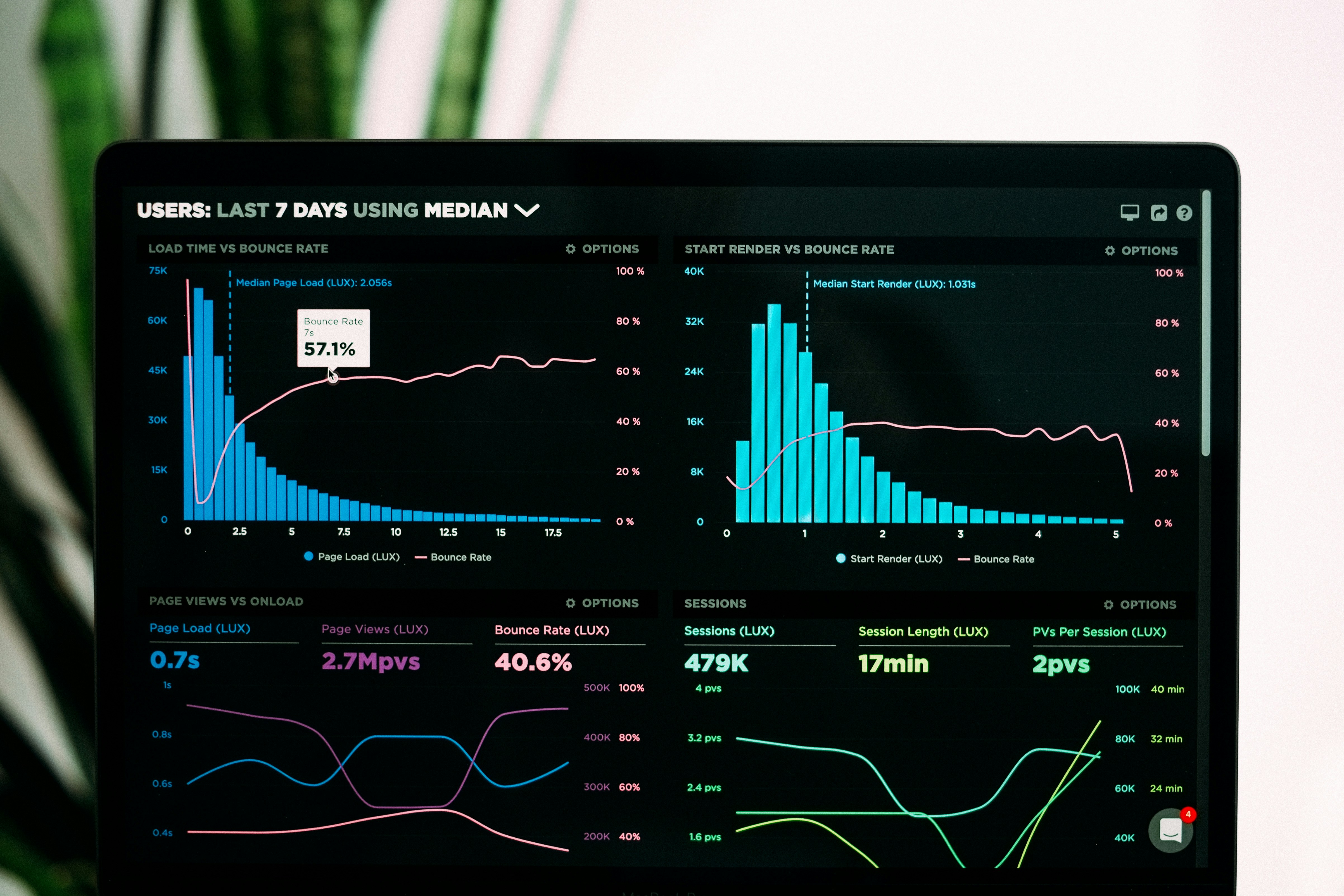
Traditional property appraisal, reliant on recent sales of similar homes (comps), is being superseded by dynamic AI models. These systems ingest terabytes of structured and unstructured data. This includes not just square footage and bedroom count, but also proximity to upcoming infrastructure, local school sentiment from social media, micro-climate trends, noise pollution maps, and even neighborhood walkability scores in real-time. This predictive analytics approach doesn't just state a current value; it forecasts appreciation potential and risk factors with a sophistication impossible for human appraisers to match at scale.
Beyond Comps: The Data Universe
The power of machine learning in real estate lies in its data diet. Modern valuation algorithms analyze:
- Hyper-local market trends: Price movements at a neighborhood block level.
- Alternative data streams: Satellite imagery for roof condition, parking density, or green space.
- Economic indicators: Local job growth, new business permits, and commute time changes.
- Property-specific history: Full maintenance records, permit history, and utility cost trends.
How AI Calculates Property Value in 2026
The process is continuous and self-improving. An AI valuation model is trained on historical sales data and the vast datasets mentioned. It identifies thousands of subtle correlations—how a new bike lane affects values three streets over, or how a specific school rating impacts prices for 3-bedroom homes specifically. When valuing a new property, the model doesn't just find three comps; it compares the subject property against every relevant data point in its universe, adjusting for hundreds of variables simultaneously to produce a confidence-scored valuation range. This enables highly accurate automated valuation models (AVMs) for both residential and commercial real estate.

The Next Generation of AI Virtual Tours
Virtual tours have moved far beyond 360-degree photo spheres. In 2026, they are interactive, AI-generated experiences. Using a combination of computer vision and generative AI, these platforms can create photorealistic interiors and exteriors from a handful of images or even a floor plan. The true breakthrough is interactivity: potential buyers can use natural language commands to virtually stage a home ("show this room with modern Scandinavian furniture"), change wall colors, or even alter the time of day to see natural light patterns. This creates an emotional, personalized connection before a physical visit.
From Visualization to Transaction
These immersive tours are integrated directly into the transaction pipeline. AI can highlight key features automatically, answer common questions via a chatbot guide, and even schedule in-person viewings or mortgage pre-approvals within the experience. For developers, AI can generate off-plan unit tours that feel tangibly real, driving presales. This technology drastically reduces time on market and expands the potential buyer pool globally, making remote property viewing a truly viable and compelling option.
Benefits for the Real Estate Market
The convergence of AI in valuation and visualization creates a more efficient and transparent market.
- For Buyers: Empowered with accurate, data-driven valuations and the ability to "try before they buy" virtually, reducing pressure and travel time.
- For Sellers: Receive optimal listing price recommendations and showcase their property to its absolute potential, attracting serious offers faster.
- For Agents & Brokers: Automate routine valuation research and initial client screenings, freeing time for high-touch negotiation and advisory services.
- For Lenders & Investors: Access more reliable, auditable risk assessments and portfolio valuations, enabling faster, more secure decisions.

Challenges and Ethical Considerations
Despite the promise, integration is not without hurdles. Data privacy remains paramount, especially with AI analyzing detailed property imagery and local data. Algorithmic bias is a critical concern; models trained on historical data can perpetuate past discriminatory patterns if not carefully audited and corrected. Furthermore, over-reliance on algorithmic valuations could reduce market diversity and human expertise. The industry must establish clear standards for AI transparency in real estate, ensuring humans remain in the loop for final decisions, particularly in complex or unique property cases.
FAQ
Will AI replace real estate agents by 2026?
No. AI will not replace agents but will redefine their role. Agents will transition from being the primary source of listings and comps to becoming strategic advisors, negotiators, and complex transaction managers who leverage AI tools to provide superior, data-informed service.
How accurate are AI property valuations?
By 2026, leading AI valuation models are expected to achieve remarkable accuracy, often within a 2-4% margin of error in standard markets, by analyzing vastly more data points than a human. However, accuracy can vary for unique, high-end, or rural properties with fewer data points.
Are AI-generated virtual tours expensive to create?
Costs are plummeting. While high-end, fully immersive tours require investment, new generative AI tools are making basic but high-quality virtual staging and tour creation affordable for nearly any listing, often as a subscription service for agents.
Can AI in real estate help with sustainability?
Absolutely. AI can value energy-efficient features accurately, promote properties with better sustainability scores, and optimize virtual tours to reduce the carbon footprint of unnecessary physical viewings. It can also analyze data to recommend green retrofits that boost property value.
Conclusion: The Intelligent Property Future
The integration of AI in real estate 2026 marks a shift from intuition-based to intelligence-based transactions. Property valuation becomes a precise, predictive science, while virtual tours evolve into engaging, personalized previews of a potential future home. This dual advancement promises a market that is faster, more informed, and more accessible. The winners will be those who embrace these tools not as replacements, but as powerful allies—blending algorithmic precision with human empathy and expertise to navigate the exciting, intelligent future of real estate.