AI in Logistics 2026: The Future of Route Optimization and Supply Chain
By 2026, artificial intelligence (AI) will be the central nervous system of global logistics, fundamentally transforming route optimization and end-to-end supply chain management. This evolution moves beyond simple efficiency gains to create predictive, self-correcting, and highly resilient networks. AI in logistics 2026 leverages advanced machine learning, real-time data fusion, and autonomous decision-making to slash costs, reduce emissions, and guarantee delivery in an unpredictable world. This guide explores the cutting-edge applications, tangible benefits, and future trajectory of AI-driven supply chains.
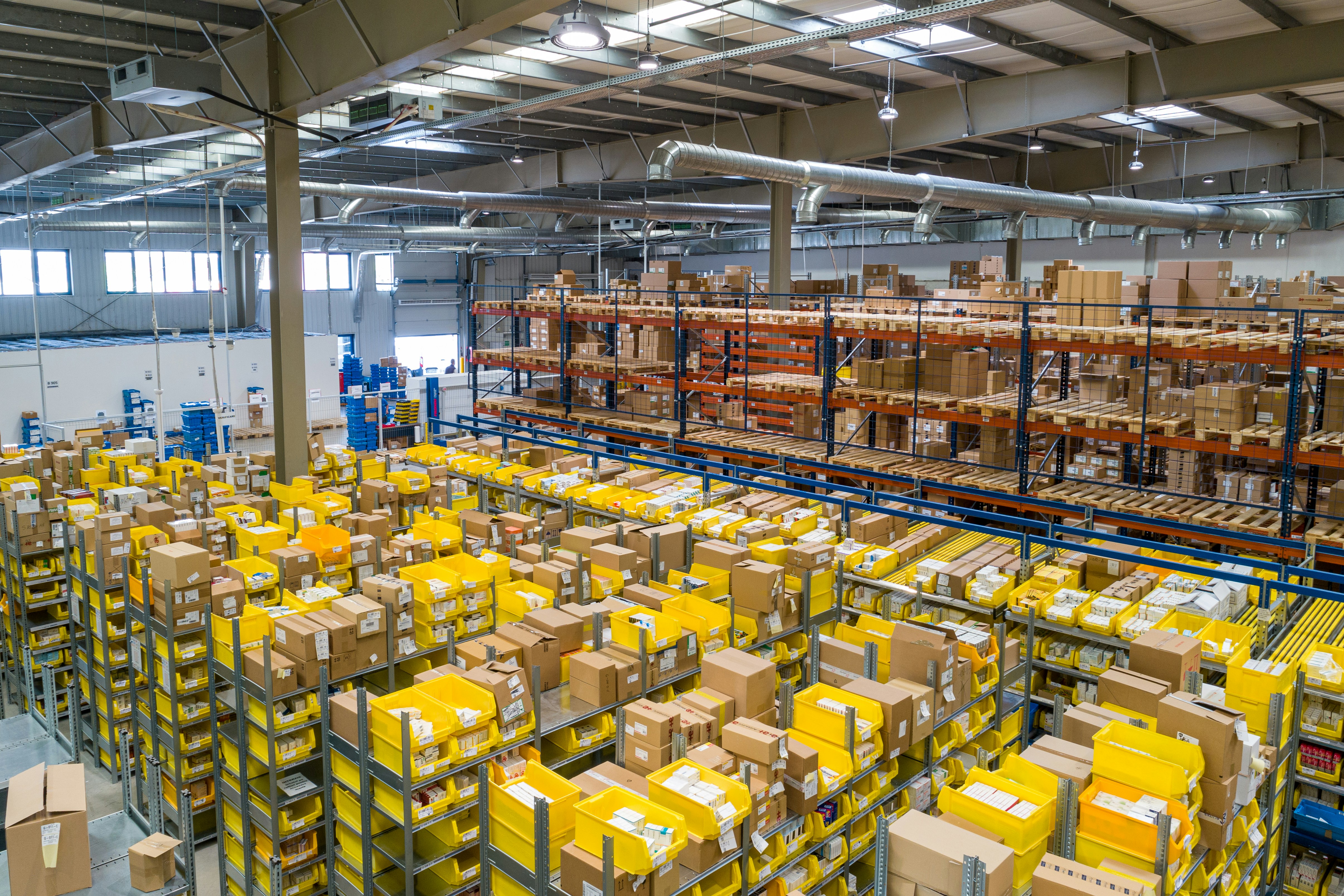
The Core of AI in Modern Logistics
Today's logistics AI is not a single tool but an interconnected ecosystem. It ingests vast datasets—from GPS and IoT sensors to weather forecasts, port congestion reports, and social media trends—to build a dynamic digital twin of the physical supply chain. This model enables predictive analytics and prescriptive insights, allowing managers to move from reactive problem-solving to proactive orchestration. The system continuously learns from new data, improving its accuracy and recommendations over time, making the entire supply chain more intelligent and adaptive.
The Evolution of AI-Powered Route Optimization
Route optimization has evolved from static mapping to dynamic, multi-objective AI engines. In 2026, these systems consider hundreds of variables in real-time.
- Dynamic Re-routing: AI doesn't just plan the best initial route. It continuously monitors traffic, accidents, and weather, recalculating paths on-the-fly to avoid delays.
- Multi-Modal Optimization: AI determines the most efficient combination of transport modes (truck, rail, drone, ship) for each segment of a shipment's journey, balancing speed, cost, and carbon footprint.
- Hyper-Local Micromobility Integration: For last-mile delivery, AI seamlessly integrates traditional vans with autonomous delivery robots and e-bikes, optimizing the final leg based on urban density and parking constraints.
This sophisticated approach to intelligent transportation ensures not just speed, but reliability and sustainability.

Beyond Trucks: Air and Sea Logistics
AI's impact extends far beyond road freight. In maritime logistics, AI optimizes container stowage plans for balance and unloading efficiency, and predicts port congestion to adjust sailing speeds (slow steaming), saving massive amounts of fuel. In air cargo, AI models optimize flight paths and payload distribution, while also predicting maintenance needs to avoid grounded aircraft.
Predictive and Autonomous Supply Chains
The true power of AI in logistics 2026 lies in creating a supply chain that can see around corners and act autonomously.
- Demand Forecasting 2.0: AI analyzes not just historical sales data, but also search trends, geopolitical events, and even local news to predict demand spikes or drops with unprecedented accuracy, enabling perfect inventory positioning.
- Autonomous Procurement and Replenishment: Based on forecasts and real-time inventory levels across the network, AI systems can automatically place orders with suppliers, negotiate within set parameters, and schedule replenishment deliveries without human intervention.
- Proactive Risk Mitigation: AI identifies potential disruptions—like a supplier factory slowdown or a regional storm—weeks in advance. It then simulates multiple resolution scenarios and executes the best response, such as rerouting shipments or activating alternative suppliers.
Key AI Technologies Driving Change in 2026
Specific advancements are fueling this transformation:
- Reinforcement Learning: AI "agents" learn optimal strategies (like routing or inventory placement) through trial and error in simulation environments, mastering complex, multi-variable problems.
- Computer Vision: In warehouses, AI-powered cameras automate inventory counting, inspect goods for damage, and guide robots for picking and packing, drastically reducing errors and labor costs.
- Natural Language Processing (NLP): AI parses unstructured data from emails, news, and carrier communications to extract early signals of delays or customer issues, integrating them into the planning model.
- Digital Twins: These virtual replicas of the entire supply chain allow for stress-testing strategies and "what-if" scenario planning in a risk-free digital space before implementing them in reality.

Tangible Business Benefits and ROI
Investing in AI-driven logistics yields measurable outcomes:
- Cost Reduction: Up to 15-25% reduction in transportation costs through optimized routes and load consolidation. Significant savings in inventory carrying costs and warehousing.
- Enhanced Sustainability: Optimized routes and modes lead to a 10-20% reduction in fuel consumption and carbon emissions, supporting corporate ESG goals.
- Unmatched Resilience: The ability to predict and pivot minimizes the impact of disruptions, protecting revenue and customer trust.
- Superior Customer Experience: Accurate, real-time tracking and reliable delivery windows increase customer satisfaction and loyalty.
Implementation Challenges and Considerations
Adoption is not without hurdles. Key challenges include:
- Data Quality and Integration: AI requires clean, unified data from often siloed systems (ERP, WMS, TMS). A robust data strategy is foundational.
- Change Management: Success requires upskilling employees and redesigning processes around AI insights, not just plugging in new software.
- Initial Investment: While ROI is strong, the upfront cost for technology, integration, and expertise can be significant.
- Ethical and Regulatory Landscape: Companies must navigate data privacy, algorithmic bias, and the evolving regulations surrounding autonomous vehicles and AI decision-making.
The Horizon: What Comes After 2026?
The trajectory points toward fully autonomous, self-healing supply chains. We will see the rise of cross-company AI collaboratives, where competing firms share anonymized data via blockchain-secured platforms to optimize the entire industry ecosystem. AI will also drive the circular economy, optimizing reverse logistics for returns and recycling. Ultimately, the physical movement of goods will become a seamless, invisible utility, perfectly synchronized with consumer demand and global economic flows.
FAQ
How does AI in logistics differ from traditional planning software?
Traditional software uses fixed rules and historical data. AI uses machine learning to find patterns, make predictions, and autonomously adapt to real-time changes, handling complexity and uncertainty far beyond rule-based systems.
Is AI in logistics 2026 only for large enterprises?
No. Cloud-based AI logistics platforms (Logistics-as-a-Service) are democratizing access. Small and medium-sized businesses can now subscribe to powerful AI tools for route planning, demand forecasting, and carrier management without massive upfront investment.
What is the role of human workers in an AI-driven supply chain?
Humans shift from manual execution and reactive firefighting to strategic oversight, exception management, and continuous improvement of AI models. The focus moves to higher-value tasks like supplier relationship management, network design, and customer experience strategy.
How does AI contribute to greener logistics?
AI optimizes for fuel efficiency, promotes modal shifts to rail or electric vehicles, reduces empty miles through better matching, and enables circular logistics. This directly lowers the carbon footprint of the supply chain.
Conclusion
By 2026, AI will cease to be a "competitive advantage" in logistics and become the baseline for survival. The integration of AI in logistics for route optimization and supply chain management delivers a powerful trifecta: radical efficiency, unprecedented resilience, and meaningful sustainability. Organizations that embrace this shift, investing in both technology and talent, will build agile, customer-centric, and future-proof operations. The journey toward intelligent, autonomous supply chains is not just about keeping pace; it's about redefining the flow of commerce in a dynamic world.