AI in Healthcare 2026: Breakthrough Applications Saving Lives
By 2026, artificial intelligence has moved beyond hype to become the central nervous system of modern medicine, driving breakthroughs that are directly saving lives. This guide explores the most impactful applications of AI in healthcare 2026, from predictive analytics that catch diseases before symptoms appear to AI-assisted robotic surgery and hyper-personalized treatment plans. We delve into real-world implementations, the technology behind them, and the tangible benefits for patients and providers, showcasing a future where AI is an indispensable partner in health and longevity.
Table of Contents
- Predictive Diagnostics and Early Intervention
- AI-Powered Precision Surgery
- The Era of Hyper-Personalized Medicine
- The Administrative and Operational Revolution
- Ethical Considerations and the Human Touch
- FAQ
- Conclusion: A Collaborative Future
Predictive Diagnostics and Early Intervention
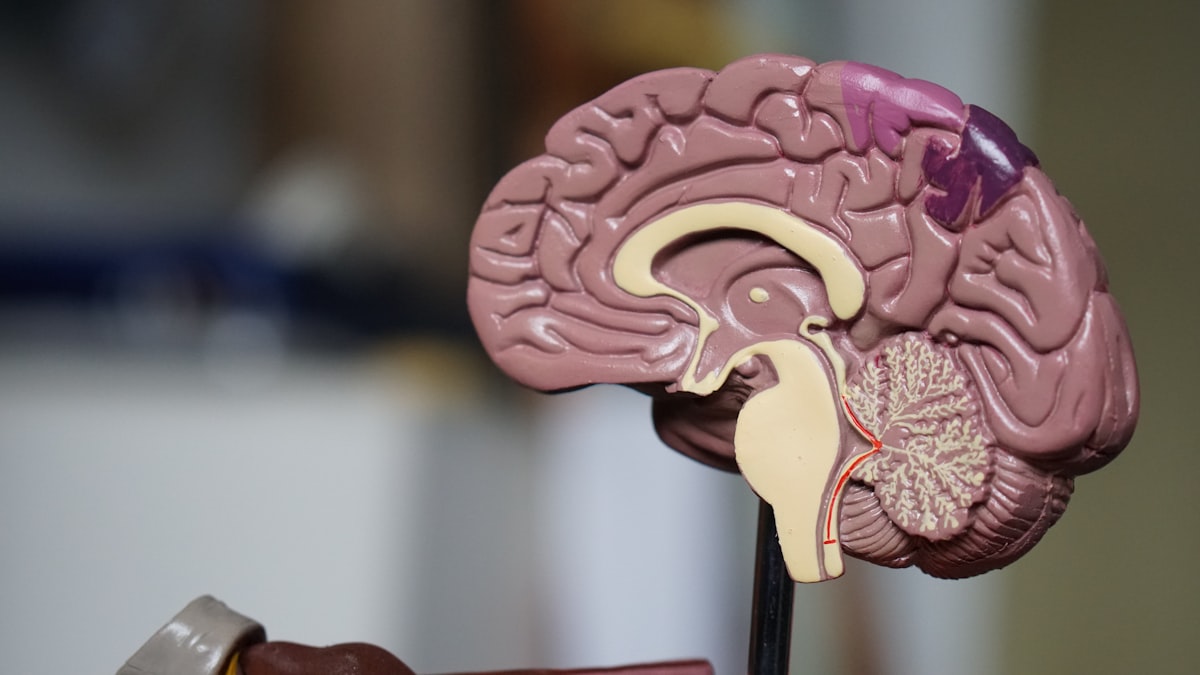
The most profound shift in AI in healthcare 2026 is the move from reactive to proactive care. Advanced machine learning models now analyze vast, multimodal datasets—including genomic sequences, continuous wearable sensor data, electronic health records (EHRs), and even social determinants of health—to identify individuals at high risk for specific conditions. For instance, algorithms can predict the likelihood of a diabetic patient developing retinopathy years in advance, enabling preventative treatment. In oncology, AI tools analyze subtle patterns in historical imaging and biomarker data to flag early signs of cancers like pancreatic or ovarian, which are notoriously difficult to detect in initial stages, dramatically improving survival rates.
Real-World Impact: From Algorithms to Action
Hospitals are integrating these predictive tools directly into clinical workflows. A cardiology AI might continuously monitor a patient's historical ECG data, lifestyle information from connected devices, and new test results to calculate a personalized risk score for atrial fibrillation or heart failure. This allows clinicians to intervene with lifestyle modifications or medication before a major cardiac event occurs, shifting the paradigm from treating illness to maintaining wellness.
AI-Powered Precision Surgery
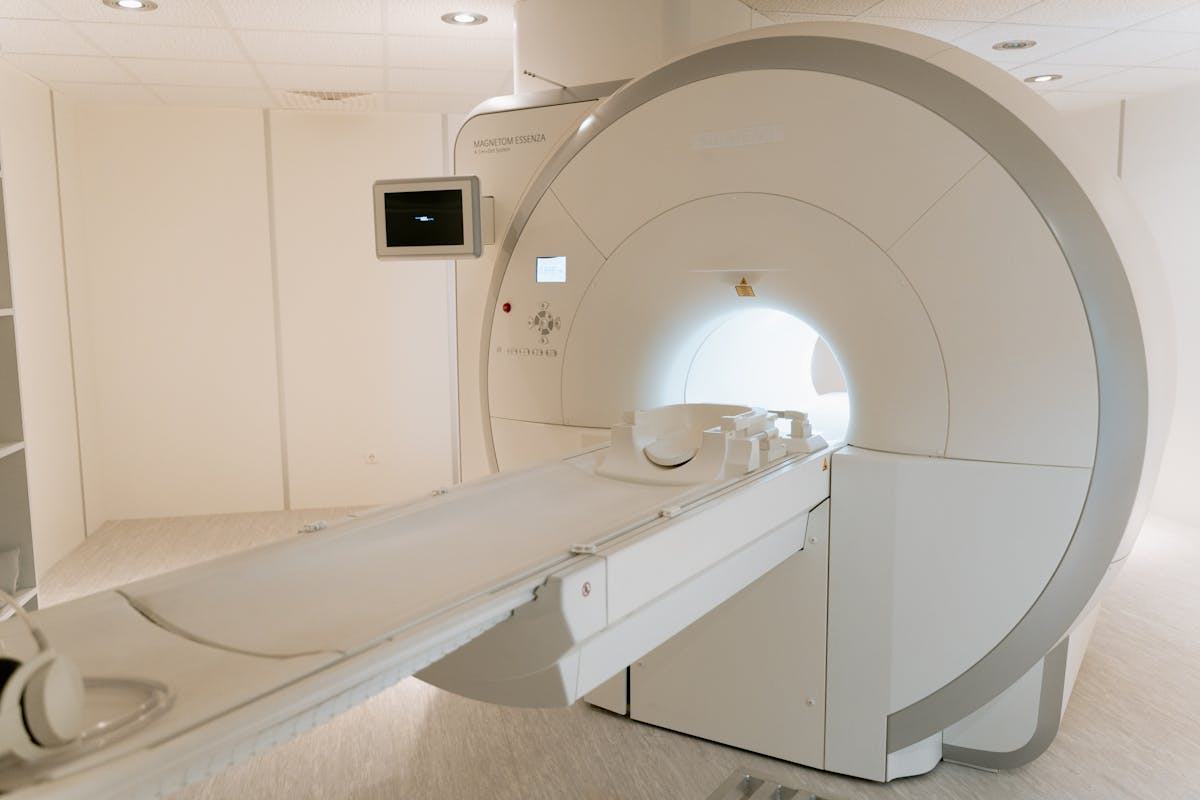
Robotic-assisted surgery has evolved with integrated AI, creating a new standard of precision. In 2026, surgical AI platforms do more than just steady a surgeon's hand. They provide real-time, augmented reality overlays during procedures, highlighting critical anatomical structures, blood vessels, and tumor margins invisible to the naked eye. These systems use computer vision to analyze live video from the surgical field, offering guidance and alerting surgeons to potential complications, such as inadvertent proximity to a nerve bundle.
Furthermore, AI is revolutionizing surgical planning. For complex operations like neurosurgery or organ transplants, surgeons can run simulations on a patient's unique 3D anatomical model, generated from their scans. The AI can predict potential challenges and optimal surgical pathways, reducing operative time and improving outcomes. Post-operatively, AI monitors patient vitals and wound images to detect early signs of infection or complications, enabling faster response.
The Era of Hyper-Personalized Medicine
The one-size-fits-all approach to treatment is becoming obsolete. AI algorithms now synthesize a patient's genetic makeup, microbiome composition, metabolism, and environmental factors to predict which drugs and dosages will be most effective with the fewest side effects. This is particularly transformative in fields like oncology and psychiatry.
- Oncology: AI matches tumor genetic profiles against global databases of clinical trials and treatment outcomes to recommend targeted therapy regimens with the highest probability of success.
- Drug Discovery: AI accelerates the development of new medications by simulating how millions of compounds interact with biological targets, identifying promising candidates in months instead of years.
- Chronic Disease Management: For conditions like diabetes or hypertension, AI-powered apps create dynamic, personalized management plans that adjust in real-time based on diet, activity, and glucose/blood pressure readings.

The Administrative and Operational Revolution
AI's life-saving impact isn't limited to the clinical front lines; it's also streamlining the healthcare system itself. Natural Language Processing (NLP) automates medical transcription, clinical documentation, and insurance prior-authorization, freeing up countless hours for clinicians to spend with patients. Predictive analytics optimize hospital operations, forecasting patient admission rates to ensure adequate staffing and bed availability. AI-driven supply chain management ensures critical medications and equipment are always in stock. By reducing administrative burnout and operational inefficiencies, AI indirectly improves patient safety and care quality.
Ethical Considerations and the Human Touch
As AI becomes more embedded, critical ethical frameworks have matured. Key considerations for 2026 include:
- Bias and Fairness: Ensuring AI models are trained on diverse, representative datasets to prevent perpetuating healthcare disparities.
- Transparency and Explainability: Developing "explainable AI" (XAI) so clinicians can understand the "why" behind an AI's recommendation, fostering trust.
- Data Privacy and Security: Implementing robust, decentralized data systems (like federated learning) that train AI without compromising sensitive patient information.
- The Augmented Clinician: The consensus is clear: AI is a tool to augment, not replace, human judgment. The empathy, ethical reasoning, and complex communication of healthcare professionals remain irreplaceable.
FAQ
How is AI in healthcare 2026 different from a few years ago?
The key difference is seamless integration and actionable intelligence. Earlier AI was often siloed in pilot projects. By 2026, AI is deeply embedded in clinical workflows, providing real-time, interpretable insights that directly inform patient care decisions, from diagnosis through treatment and follow-up.
Is my medical data safe with AI systems?
Advanced privacy-preserving techniques like federated learning allow AI models to be trained across multiple institutions without raw patient data ever leaving its source. Strict regulations and encrypted, audit-trailed data access provide strong security frameworks.
Will AI make healthcare cheaper?
AI drives efficiency and prevents costly complications through early intervention, which should reduce long-term costs. Initial investments in technology are significant, but the focus is on value-based care—improving outcomes per dollar spent.
Can patients opt-out of AI-assisted care?
Yes. Patient autonomy is paramount. Healthcare providers are required to be transparent about the use of AI in a care plan, and patients typically have the right to choose a traditional diagnostic or treatment path, though they will be informed of the potential benefits of the AI-assisted option.
Conclusion: A Collaborative Future
The landscape of AI in healthcare 2026 is defined by powerful, practical partnerships between human expertise and artificial intelligence. The breakthrough applications saving lives today are those that enhance clinical intuition with data-driven foresight, transform invasive procedures into precise interventions, and tailor medicine to the individual. While challenges around ethics, access, and implementation persist, the trajectory is clear. AI is evolving from a novel tool into a fundamental pillar of a more predictive, preventive, personalized, and participatory healthcare system, ultimately leading to longer, healthier lives for all.
