AI in Film Production 2026: The New Era of Script Writing and Visual Effects
By 2026, artificial intelligence has moved from a speculative tool to a core pillar of film production, fundamentally reshaping creativity from the first draft to the final pixel. This guide explores how AI is revolutionizing script writing through advanced narrative analysis and generative dialogue, while simultaneously democratizing and accelerating high-end visual effects. We'll examine the cutting-edge tools, integrated workflows, and critical ethical debates defining the future of cinematic storytelling, offering a clear view of how filmmakers are leveraging AI to enhance, not replace, human artistry.

AI in Script Writing 2026: Beyond the First Draft
Gone are the days when AI script writing meant generic, formulaic text generation. In 2026, AI functions as a dynamic creative partner. Tools now analyze thousands of scripts to provide data-driven insights on pacing, character arc consistency, and dialogue authenticity specific to genre. The most significant advancement is in contextual generative AI. Writers can prompt an AI with a character's backstory and a scene's emotional beat, receiving dialogue options that maintain a distinct voice, moving beyond mere plot suggestion into the realm of nuanced character development.
Key Tools and Applications
Modern AI writing assistants are integrated into standard screenwriting software. They offer real-time feedback on emotional tone, flag potential plot holes by cross-referencing earlier scenes, and suggest alternative scene structures. A major application is in "world-building consistency," where the AI tracks lore, rules, and character relationships across hundreds of pages, ensuring narrative coherence. Furthermore, AI is used for automated script breakdowns, instantly tagging elements like locations, characters, and required VFX, streamlining pre-production significantly.
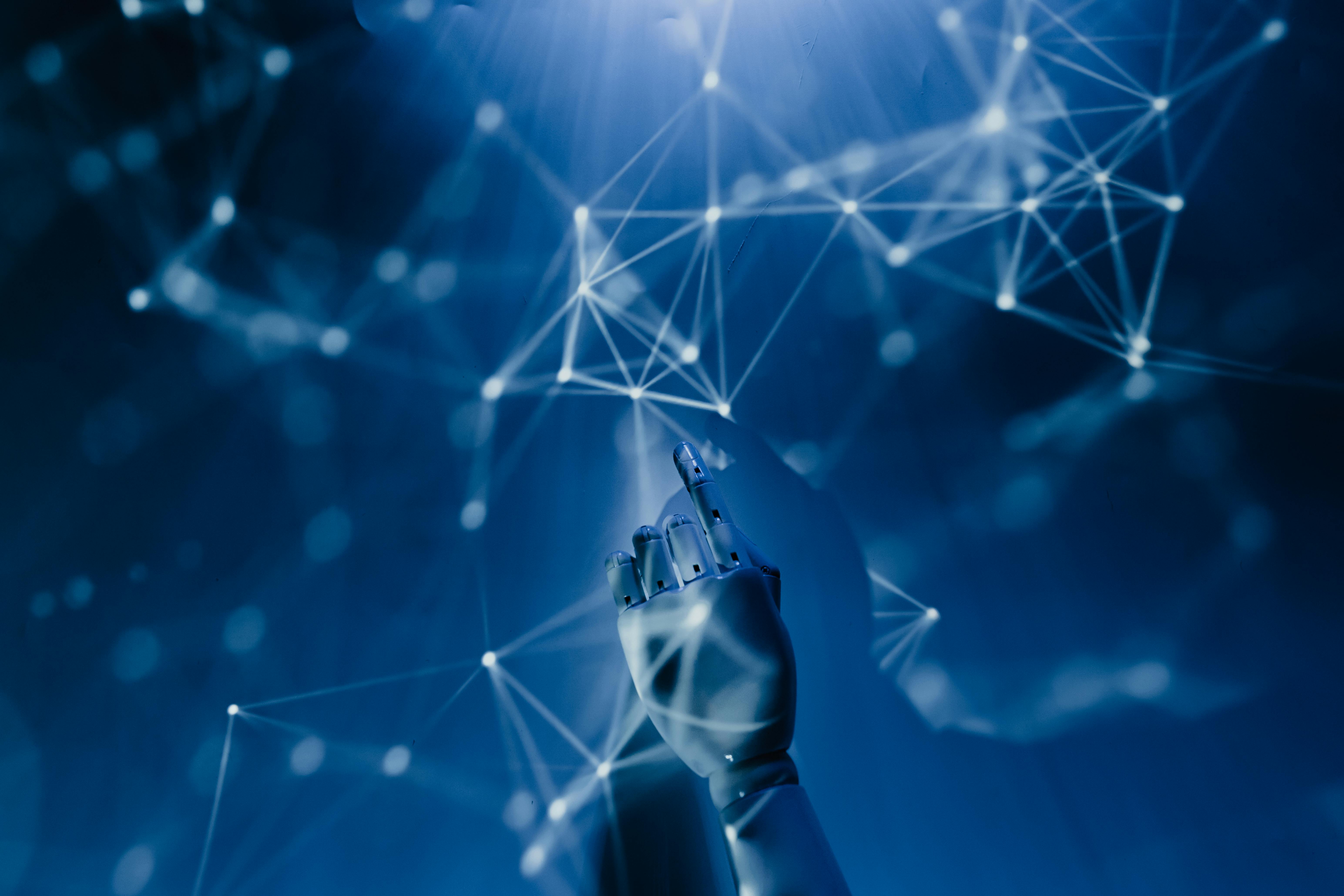
The AI VFX Revolution: Hyper-Realism and Accessibility
The impact of AI on visual effects is profoundly visible. Neural rendering and generative adversarial networks (GANs) have set a new standard. AI-powered tools can now generate photorealistic environments, textures, and even fully realized digital characters from limited reference material. Techniques like "in-painting" allow artists to remove or replace elements in a scene with stunning accuracy, while "frame interpolation" AI can generate ultra-slow-motion footage from standard frame rates without the traditional motion blur artifacts.
Democratizing High-End Effects
One of the most transformative shifts is the democratization of VFX. AI-driven software enables smaller studios and independent filmmakers to create effects that once required million-dollar budgets and teams of technical artists. Rotoscoping, a traditionally tedious process, is now largely automated. AI simulates complex physics like cloth dynamics, fire, and water with greater realism and less computational overhead. This allows artists to focus on creative direction rather than manual, technical execution.

The Integrated AI Production Workflow
In 2026, AI is not a siloed tool but part of a seamless pipeline. The workflow begins in pre-production with AI-assisted location scouting, using generative AI to create mood boards and virtual pre-visualizations from the script. During production, AI on set assists with real-time translation for international crews, automated logging of footage, and even guiding cinematography with predictive framing suggestions based on the script's emotional context.
Post-production sees the deepest integration. An AI can analyze all raw footage, automatically assembling a rough cut based on the script's timing and emotional markers. For VFX, AI tools are embedded in compositing software, allowing for real-time background replacement and lighting matching. This interconnected workflow drastically reduces turnaround times and allows for more iterative, creative experimentation.
Ethical and Creative Considerations
The rise of AI in film production sparks crucial debates. Intellectual property is a primary concern: who owns the copyright of an AI-generated script or character? The industry is grappling with new legal frameworks. Another issue is bias; AI trained on historical film data can perpetuate stereotypes, making human oversight and curated, diverse training datasets essential.
Creatively, the fear of homogenization is real. The counter-argument is that AI handles technical and repetitive tasks, freeing human creators to focus on bold, original ideas and emotional truth. The most successful 2026 productions view AI as a powerful collaborator—a tool that extends human capability rather than replacing the irreplaceable spark of human storytelling.

FAQ
Is AI going to replace screenwriters and VFX artists?
No. AI is augmenting these roles, not replacing them. It automates tedious tasks (formatting, rotoscoping, initial asset generation), allowing professionals to focus on high-level creative decisions, narrative depth, and artistic direction. The human touch in storytelling and aesthetic judgment remains paramount.
What are the best AI tools for film production in 2026?
The landscape is fluid, but leading categories include integrated AI writing assistants within screenwriting platforms, AI-powered VFX suites for compositing and asset creation, and AI-driven editing tools for rough cuts and color grading. The best tools are those that integrate smoothly into existing professional workflows.
How does AI handle creative copyright?
This is an evolving legal area. Currently, most jurisdictions do not grant copyright to purely AI-generated work. The copyright typically belongs to the human or company that orchestrated the AI's use, provided there is significant creative input and direction. Clear contracts defining AI tool usage are now standard in production agreements.
Can AI create an entire film independently?
While AI can generate scripts, visuals, and even edit sequences, a coherent, emotionally resonant feature film created entirely by AI without human curation and oversight remains elusive. The collaborative interplay of human intention, cultural context, and emotional intelligence is still beyond the scope of current technology.
Conclusion: The Collaborative Future
The narrative of AI in film production in 2026 is not one of displacement, but of empowerment and acceleration. From script analysis that deepens character development to VFX tools that bring limitless worlds to life efficiently, AI is removing technical barriers and expanding the canvas of creativity. The future belongs to filmmakers who master this collaboration—leveraging AI's computational power to execute their vision while imbuing their work with the unique human perspective, ethical consideration, and emotional depth that define great cinema. The toolset has evolved, but the goal remains timeless: to tell compelling stories that resonate.