AI in Energy 2026: Smart Grids and Sustainability
By 2026, artificial intelligence (AI) will be the central nervous system of the global energy transition, fundamentally transforming how we generate, distribute, and consume power. The convergence of AI in Energy 2026 and smart grid technology is creating a more resilient, efficient, and sustainable electricity ecosystem. This guide explores how AI algorithms optimize grid operations in real-time, seamlessly integrate volatile renewable sources like solar and wind, and empower consumers to participate in energy sustainability. The result is a cleaner, more reliable, and democratized energy future.

The AI-Powered Smart Grid: Core Functions
A smart grid is an electricity network enhanced with digital communication and control. In 2026, AI elevates this from "smart" to "cognitive." Machine learning models process vast streams of data from smart meters, grid sensors (IoT devices), and weather stations to make autonomous decisions. Core functions include real-time grid optimization, where AI balances supply and demand instantaneously, preventing overloads and blackouts. It also performs dynamic rerouting of power during line failures, ensuring uninterrupted service. This level of automation is critical for managing the complexity introduced by decentralized energy resources.
Real-Time Load Balancing and Stability
AI algorithms excel at forecasting electricity load with high accuracy by analyzing historical consumption patterns, weather data, and even social event calendars. They then proactively adjust power flows from various sources—including natural gas peaker plants, battery storage systems, and renewable farms—to maintain perfect grid frequency and voltage stability. This prevents costly and disruptive fluctuations.
AI for Renewable Energy Integration and Forecasting
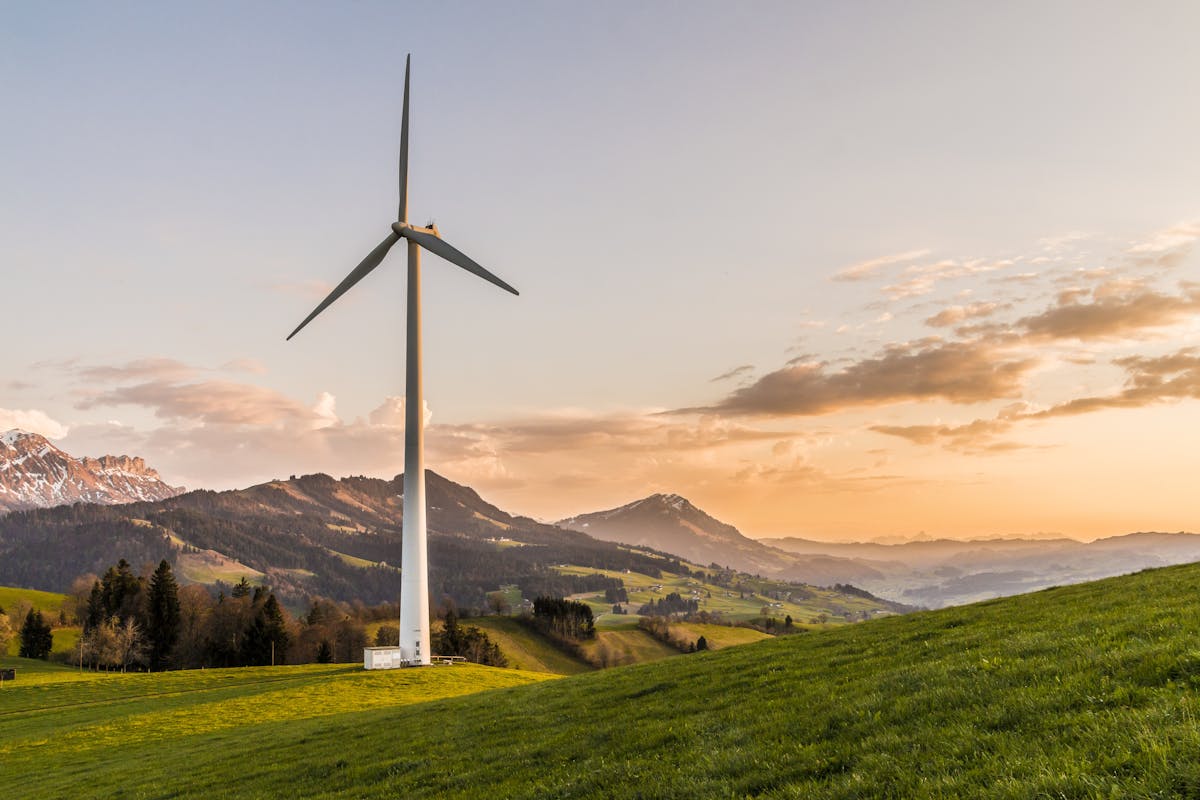
The intermittent nature of solar and wind power is the primary challenge for grid operators. AI-driven energy forecasting is solving this. Advanced neural networks analyze satellite imagery, sky cameras, and historical generation data to predict renewable output hours or days in advance with remarkable precision. This allows grid managers to schedule backup resources efficiently, reducing reliance on fossil-fuel-based balancing power.
Furthermore, AI facilitates virtual power plants (VPPs). These are networks of decentralized, distributed energy resources (like rooftop solar, home batteries, and EV chargers) aggregated and controlled by AI software. The AI can dispatch power from these assets to the grid during peak demand, effectively creating a flexible, clean power plant from thousands of individual sources.
Intelligent Demand Response and Consumer Empowerment
AI transforms demand-side management. Instead of blunt, manual peak shaving, AI enables dynamic demand response. Smart algorithms can communicate with connected appliances (water heaters, HVAC systems) and EV chargers in homes and businesses, briefly shifting their usage times in response to grid signals without impacting consumer comfort.
- Personalized Energy Insights: AI analyzes smart meter data to provide consumers with tailored advice on reducing waste and lowering bills.
- Automated Microgrids: AI manages local microgrids, allowing communities or campuses to island themselves from the main grid during outages, prioritizing power to critical facilities using local solar and storage.
Predictive Maintenance and Grid Resilience
Reactive maintenance is costly and risky. AI enables a shift to predictive and prescriptive maintenance. By analyzing data from drones, thermal imaging cameras, and acoustic sensors on transformers, power lines, and substations, AI models can identify anomalies—like a component overheating or degrading—long before it fails.
- Failure Prediction: Algorithms predict equipment failure with high probability, scheduling repairs proactively.
- Storm Response: AI models hurricane or wildfire paths to predict damage locations, allowing utilities to pre-position crews and resources for faster restoration.
- Cybersecurity: AI continuously monitors network traffic for unusual patterns, defending the smart grid against sophisticated cyber-attacks in real-time.

Future Trends: AI, IoT, and Blockchain Synergy
Looking beyond 2026, the synergy of AI, the Internet of Things (IoT), and blockchain will further decentralize energy. AI will manage peer-to-peer (P2P) energy trading on blockchain platforms, where neighbors can automatically buy and sell excess solar power at optimized prices. Generative AI will be used to simulate and stress-test grid designs for extreme weather scenarios. Furthermore, the rise of autonomous grid management will see AI systems making increasingly complex operational decisions with minimal human intervention, driving unprecedented levels of efficiency and carbon emission reduction.
FAQ
How does AI make the energy grid more sustainable?
AI maximizes the use of renewable energy by improving forecasting and integration, reduces waste through optimized grid operations and demand response, and enables more efficient energy storage management. This directly displaces fossil fuel generation and lowers the grid's overall carbon footprint.
What are the risks of using AI in critical energy infrastructure?
Key risks include cybersecurity vulnerabilities, potential for algorithmic bias or error, and over-reliance on automated systems. Mitigation involves robust "human-in-the-loop" oversight, continuous security audits, transparent AI models, and maintaining manual override capabilities for critical functions.
Can AI help lower my electricity bill?
Yes, indirectly and directly. AI helps utilities operate more efficiently, potentially stabilizing wholesale prices. Directly, AI-powered home energy management systems can automate your appliances to run when electricity is cheapest (often when renewable output is high) and provide insights to reduce consumption.
Is AI in energy only for large utilities and grids?
No. The technology is becoming democratized. Homeowners with solar-plus-storage can use AI for optimal self-consumption, small businesses can participate in automated demand response programs, and communities can form AI-managed microgrids.
Conclusion
The integration of AI in Energy 2026 is not a distant future—it is an accelerating present. Smart grids, powered by sophisticated machine learning, are becoming the essential platform for achieving global sustainability targets. By enabling a flexible, resilient, and highly efficient energy system that can harness the full potential of renewables, AI is proving to be the most powerful tool in the fight against climate change. The path forward requires continued investment, ethical frameworks, and collaboration, but the destination is clear: a sustainable, intelligent, and equitable energy future for all.
