10 Costly Dropshipping Mistakes Beginners Make (And How to Avoid Them)
Dropshipping offers a low-barrier entry into e-commerce, but its apparent simplicity is a trap for the unprepared. Many beginners rush in, only to burn through cash and time on preventable errors. This guide details the 10 most costly dropshipping mistakes new store owners make and provides actionable, step-by-step strategies to avoid them, setting you on the path to a sustainable and profitable business.

1. Choosing the Wrong Niche (The Foundation Failure)
The excitement of starting often leads to picking a niche based on gut feeling or a single viral product. This is a foundational mistake. A profitable niche must balance passion, market demand, and practicality. Avoid oversaturated markets like generic phone cases and hyper-trendy fads that will vanish in weeks. Also, steer clear of niches with extreme logistical complexities (e.g., fragile large items) or legal gray areas.
How to Avoid This Mistake:
- Validate Demand: Use tools like Google Trends, Amazon Best Sellers, and keyword research (e.g., SEMrush, Ahrefs) to confirm sustained interest.
- Analyze Competition: Can you differentiate? Look for niches where you can add value through bundling, superior content, or targeting a specific sub-audience.
- Check Profit Margins: Factor in all costs (product, shipping, ads, platform fees). Aim for a healthy margin (typically 30-50%+) to allow for advertising spend.
- Consider Passion & Knowledge: You'll be marketing this daily. Some interest helps with content creation and customer understanding.
2. Partnering with Unreliable Suppliers
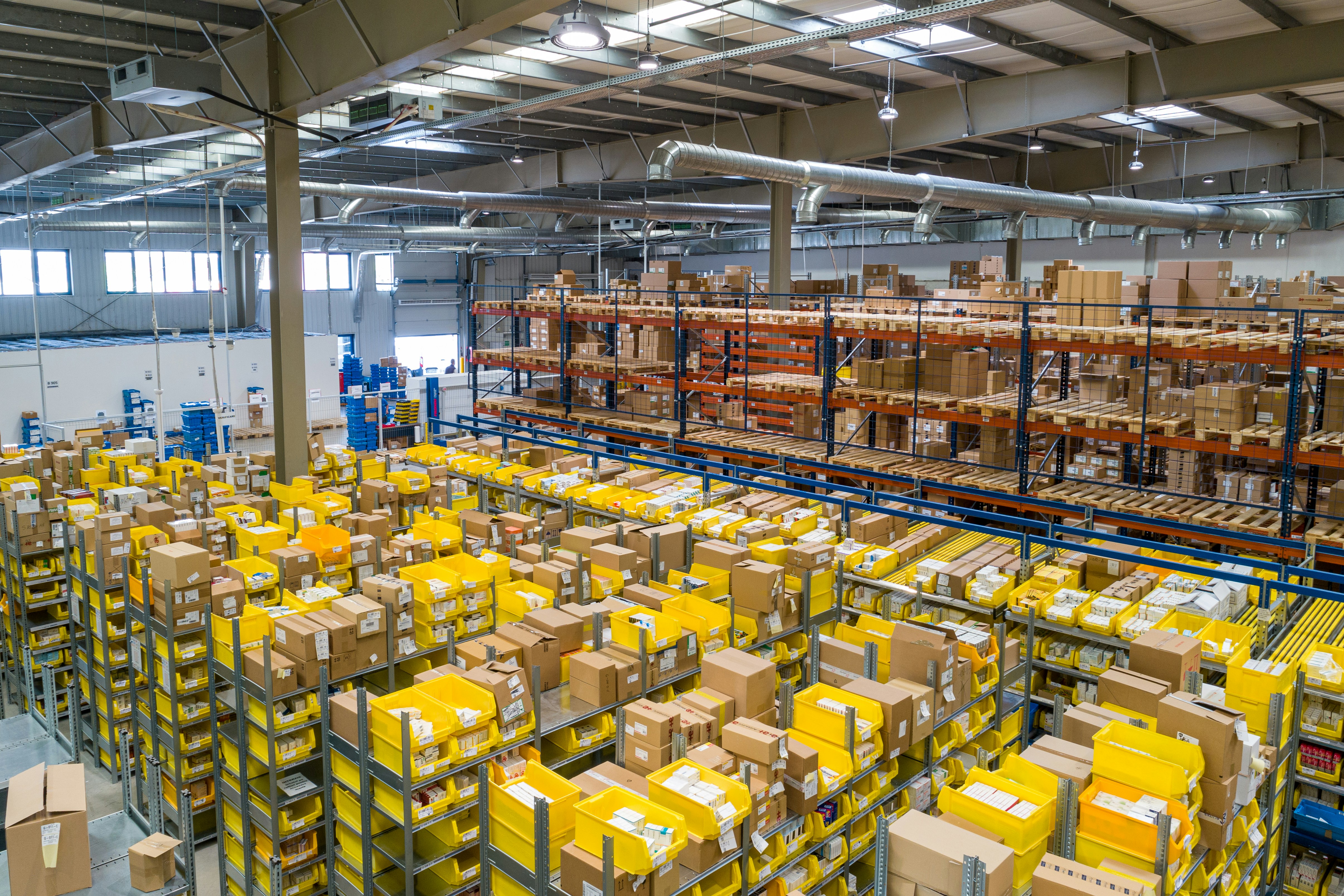
Your supplier is your business partner. Relying on the first AliExpress vendor you find is a recipe for disaster. Common supplier-related mistakes include poor communication, long shipping times, inconsistent quality, and stock issues—all of which directly damage your brand's reputation.
How to Avoid This Mistake:
- Vet Thoroughly: Order samples yourself. Assess communication speed, packaging, and product quality.
- Use Supplier Directories: Platforms like SaleHoo, Spocket, or Modalyst vet suppliers for reliability and shipping times.
- Check Metrics: On marketplaces, review supplier store ratings, product reviews, and response rates.
- Have a Backup: Always source a secondary supplier for your key products to mitigate risk.
3. Ignoring Customer Service & Experience
In dropshipping, you don't handle the product, so customer service is your primary brand touchpoint. Failing to provide timely, helpful support is a critical error. This includes slow response times, poor handling of returns/refunds, and a lack of post-purchase communication (like shipping updates).
How to Avoid This Mistake:
- Set Clear Expectations: Be transparent about shipping times on your product pages and checkout.
- Automate Where Possible: Use email flows for order confirmations, shipping updates, and delivery confirmations.
- Be Proactive: If a supplier has a delay, inform customers before they contact you.
- Create a Clear Policy: Have easy-to-find FAQ, Return, and Privacy policy pages.
4. Underestimating the Importance of a Professional Store
Your website is your storefront. Using a generic, unoptimized theme with poor branding, low-quality images, and spelling errors destroys trust. Customers instantly judge credibility based on design and usability.
How to Avoid This Mistake:
- Invest in a Premium Theme: Choose a clean, fast-loading theme from your platform's marketplace.
- Use High-Quality Media: Never use supplier images with watermarks. Use your sample orders to take original photos or use high-res images from reliable sources.
- Craft Compelling Copy: Write unique, benefit-driven product descriptions, not copied supplier text.
- Optimize for Mobile: Over 60% of traffic is mobile. Ensure your store is flawless on smartphones.
5. Poor Financial Planning & Pricing
Many beginners price products by simply doubling the cost. This ignores all the hidden fees that erode profits, leading to operating at a loss. Common financial mistakes include not accounting for transaction fees, advertising costs, chargebacks, and returns.
How to Avoid This Mistake:
- Calculate Your True Cost Per Order: Product Cost + Shipping to Customer + Payment Gateway Fee + Platform App Fees + Advertising Cost (estimated).
- Set a Strategic Price: Your selling price must be True Cost + Desired Profit Margin. Use psychological pricing ($47 vs. $50).
- Use a Profit Tracking App: Tools like TrueProfit or BeProfit sync with your store to show real net profit per order.
- Keep a Financial Buffer: Have capital set aside for reinvestment in inventory (if you transition to holding stock) and unexpected costs.
6. Failing to Master Marketing Before Launch
Building a store is not a "Field of Dreams" scenario—if you build it, they will NOT come. Assuming sales will happen organically without a solid marketing plan is a fast track to failure. This includes relying solely on one unstable channel.

How to Avoid This Mistake:
- Develop a Multi-Channel Strategy: Don't put all your budget into Facebook Ads. Explore TikTok, Pinterest, Google Shopping, SEO, and email marketing from day one.
- Learn the Basics: Before spending, understand core concepts like targeting, CTR (Click-Through Rate), CPM (Cost Per Mille), and conversion tracking.
- Build an Audience First: Use content (blogs, short-form video) related to your niche to build an email list and social following before the hard sell.
- Track Everything: Install the Facebook Pixel and Google Analytics 4 correctly to measure what's working.
7. Neglecting Search Engine Optimization (SEO)
Viewing SEO as just a "blog thing" is a missed opportunity for sustainable, free traffic. A store invisible to Google misses out on long-term, intent-driven customers. This mistake encompasses ignoring on-page SEO, site speed, and content creation.
How to Avoid This Mistake:
- Optimize Product Pages: Use target keywords in titles, headers (H1, H2), image alt text, and product descriptions.
- Improve Site Speed: Compress images, use a fast theme, and leverage browser caching. Speed is a direct ranking factor.
- Start a Niche Blog: Create helpful content answering questions your target audience has (e.g., "How to style a minimalist watch" for a watch store). This builds authority and drives organic traffic.
- Build Basic Backlinks: Reach out for guest posts on related blogs or get listed in relevant online directories.
8. Overlooking Legal and Tax Obligations
Operating as a hobby, not a business, is a legally and financially risky dropshipping mistake. This includes not registering your business, ignoring sales tax (like Shopify's economic nexus rules), and violating intellectual property laws by selling trademarked goods.
How to Avoid This Mistake:
- Choose a Business Structure: Register as an LLC or similar to protect personal assets. Consult a local professional.
- Understand Sales Tax: Research nexus rules in your country and the countries you sell to. Use tax automation apps like TaxJar.
- Get the Right Licenses: Obtain a business license and, if required, a reseller's certificate.
- Respect Intellectual Property: Never sell branded products (e.g., Disney, Nike) without explicit authorization. This leads to store takedowns and lawsuits.
9. Scaling Too Fast or Too Slow
Poor scaling strategy can kill a promising business. Scaling too fast (pouring all profits into untested new ads or products) can drain cash reserves. Scaling too slow (not reinvesting in winning products) leaves money on the table and allows competitors to catch up.
How to Avoid This Mistake:
- Validate Before Scaling: Have a consistent, profitable product for at least 2-4 weeks before increasing ad spend.
- Scale Methodically: Use the "20% Rule"—increase your winning ad set budget by no more than 20% every 2-3 days to avoid algorithm shock.
- Reinvest Profits Wisely: Plow profits back into marketing, store optimization, and new product testing—not just taking cash out.
- Strengthen Infrastructure: Ensure your supplier can handle increased order volume and your customer service processes are scalable.
10. Giving Up Too Early
The most common fatal mistake is expecting instant, effortless success. Dropshipping is a real business with a steep learning curve. Many quit after their first product fails or they encounter their first customer issue, never reaching the breakthrough point.

How to Avoid This Mistake:
- Adopt a Testing Mindset: View each product or ad as an experiment. Failure is data, not defeat.
- Set Realistic Expectations: Plan for 6-12 months of consistent work before seeing significant, stable profit.
- Commit to Continuous Learning: The e-commerce landscape changes weekly. Follow industry experts, take courses, and stay updated.
- Analyze and Iterate: When something fails, diagnose why. Was it the product, the ad creative, the landing page, or the targeting? Learn and apply that to the next test.
FAQ
What is the biggest dropshipping mistake of all?
The single biggest mistake is treating dropshipping as a "get-rich-quick" scheme instead of a legitimate e-commerce business model. This mindset leads to cutting corners on branding, customer service, and supplier vetting, ensuring long-term failure.
How much money do I need to start dropshipping and avoid these mistakes?
While you can technically start with a few hundred dollars for a store subscription and initial samples, a safer buffer is $1,500-$3,000. This allows for proper supplier vetting, marketing tests, business registration, and operating capital without being forced into premature, desperate decisions.
Can I avoid all supplier mistakes by using a US dropshipper?
Using US-based suppliers (via platforms like Spocket) significantly improves shipping times and reliability, but it doesn't absolve you of due diligence. You must still order samples, check communication, and have backup plans. The higher product cost also requires careful pricing strategy.
How long does it take to become profitable in dropshipping?
There's no guaranteed timeline. With diligent work, avoiding these common mistakes, and a systematic testing approach, some see profitability in 3-6 months. For most, it's a 6-12 month journey to build a stable, profitable store. Patience and persistence are non-negotiable.
Conclusion: Build a Business, Not Just a Store
Avoiding these 10 costly dropshipping mistakes fundamentally shifts your approach from a hopeful gambler to a strategic entrepreneur. The core lesson is that sustainable success in dropshipping comes from treating it as a real business: investing in branding, prioritizing customer experience, mastering unit economics, and committing to continuous learning. By meticulously vetting suppliers, crafting a professional store, implementing a diversified marketing plan, and planning for legal and financial realities, you build a resilient asset. Remember, the goal isn't to make a few quick sales; it's to create a reputable, automated, and profitable e-commerce brand that can thrive for years to come. Start by avoiding these pitfalls, and you'll already be miles ahead of the competition.